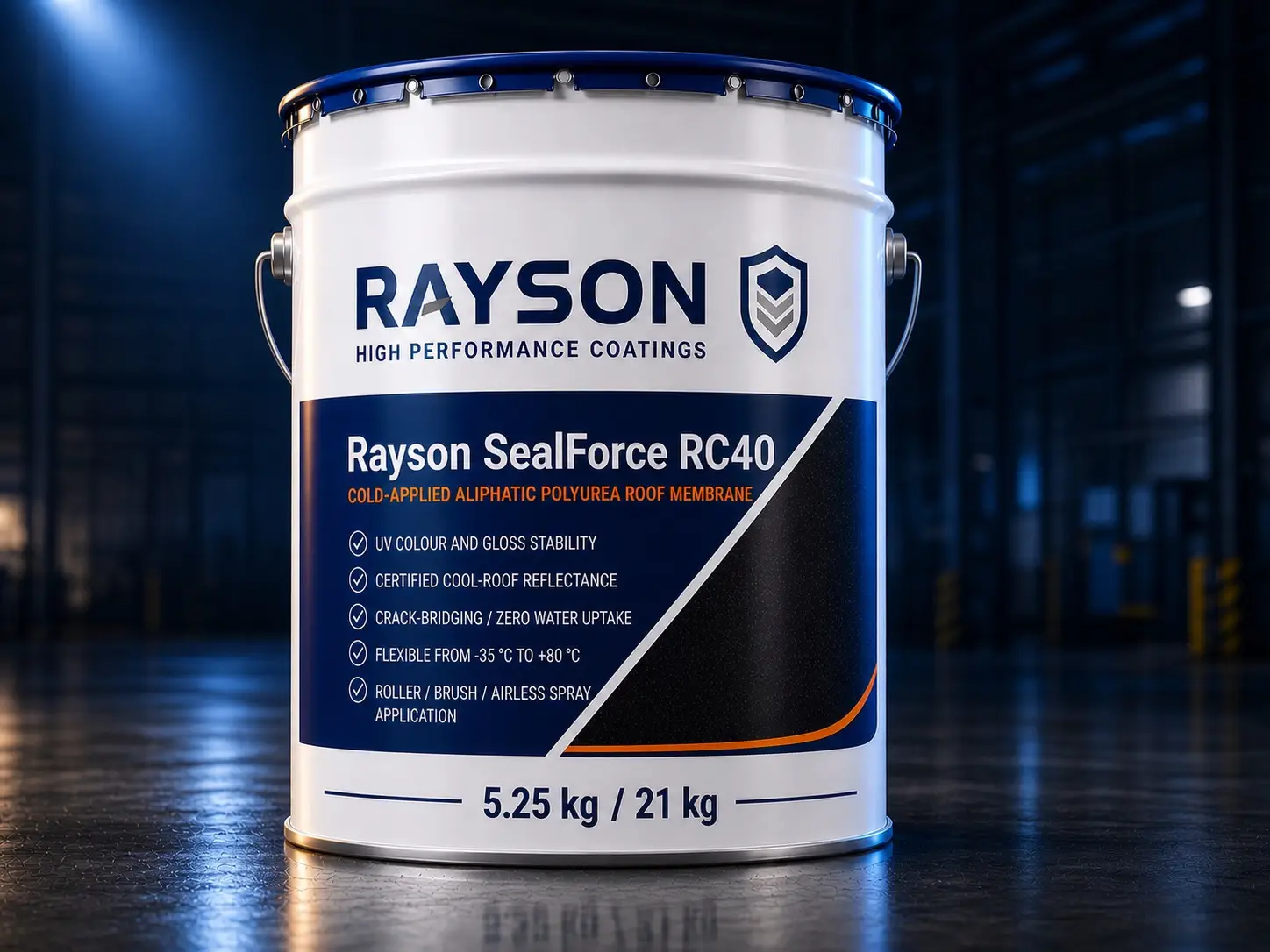
Rayson SealForce RC40
Rayson SealForce RC40 is a two-component, cold-applied aliphatic polyurea waterproofing membrane for exposed roofs — roller-, brush- or spray-applied, UV-stable and walkable, with certified cool-roof reflectance.
View product
Exposed concrete in Singapore takes UV, driving rain and thermal cycling all year. Liquid-applied protective coatings — a suitable primer, crack repair, then a UV-stable polyurethane finish — keep water out of decks, parapets and exposed structures while staying walkable and recoatable. The honest caveat: coatings are not the answer to every leak; ponding, structural cracks and hydrostatic pressure need correcting or a membrane, and we will say so when that is the case.
| Liquid-applied protective coating | Sheet membrane | |
|---|---|---|
| Best at | Seamless UV-stable protection of exposed, trafficked surfaces | Buried/podium waterproofing under hydrostatic pressure |
| Detailing | Follows complex shapes, upstands and penetrations easily | Laps and terminations need careful workmanship |
| Maintenance | Inspect and recoat wear zones simply | Local repair is harder; failures travel under sheets |
| Traffic | Walkable; deck systems take vehicles | Usually needs protection screed |
| Wrong when | Standing water, moving structural cracks, negative-side pressure | Complex exposed geometry, budget recoat cycles |
Application detail lives on roofs & exposed structures and wet areas; car park decks get their own treatment on the car park page.
Where the job needs a dedicated waterproofing membrane rather than a protective finish, the Rayson SealForce polyurea range covers both application methods:
Not sure between a coating, a roller membrane and a sprayed lining? See coating vs membrane, or tell us the structure and exposure and we will specify honestly.
Rayson SealForce RC40 is a two-component, cold-applied aliphatic polyurea waterproofing membrane for exposed roofs — roller-, brush- or spray-applied, UV-stable and walkable, with certified cool-roof reflectance.
View product
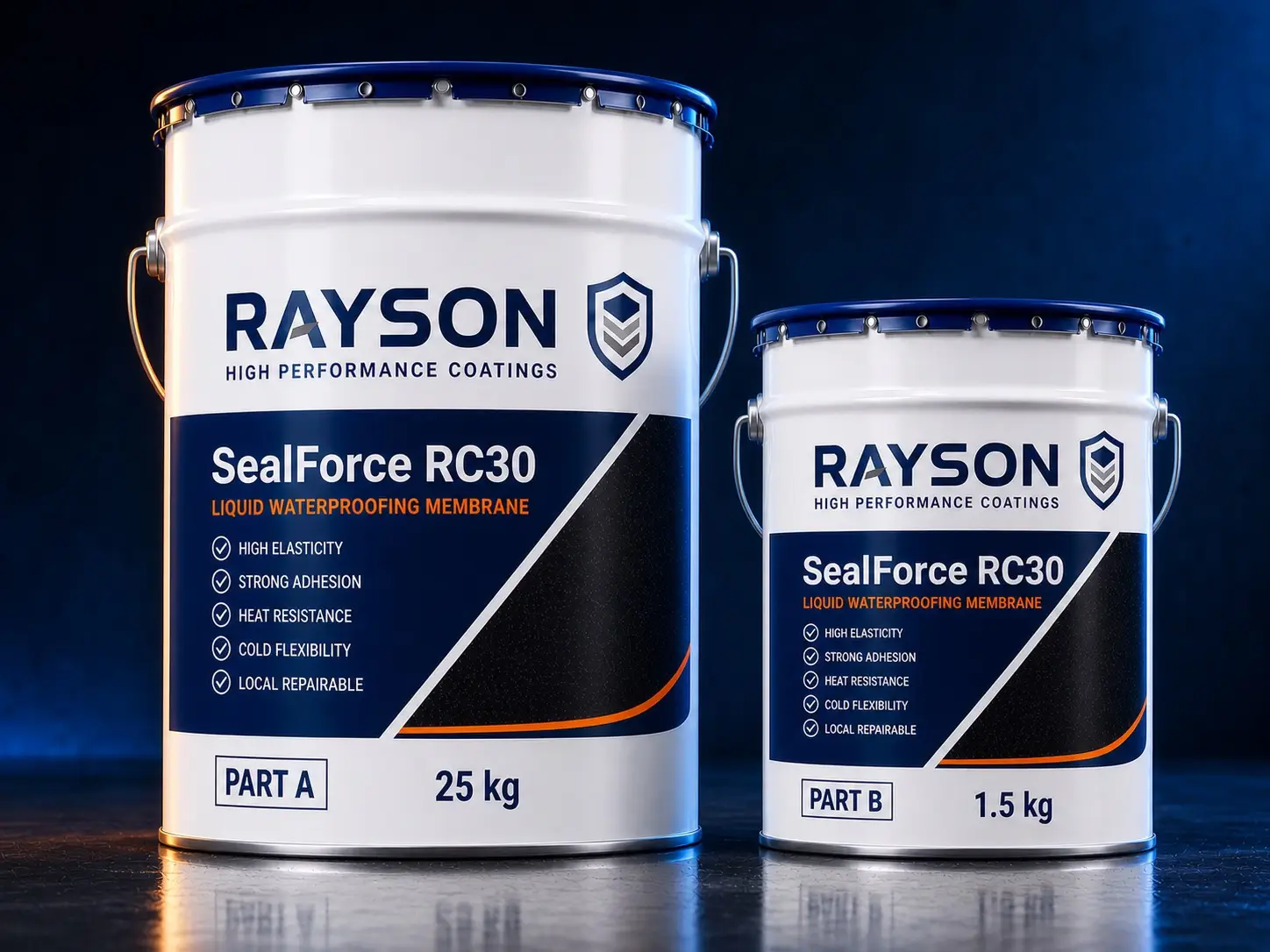
Rayson SealForce RC30 is a two-component, roller-applied polyurea-based liquid waterproofing membrane — highly elastic and hydrophobic, bonding strongly to concrete, tile, metal and asphalt for wet areas, roofs and car parks.
View product
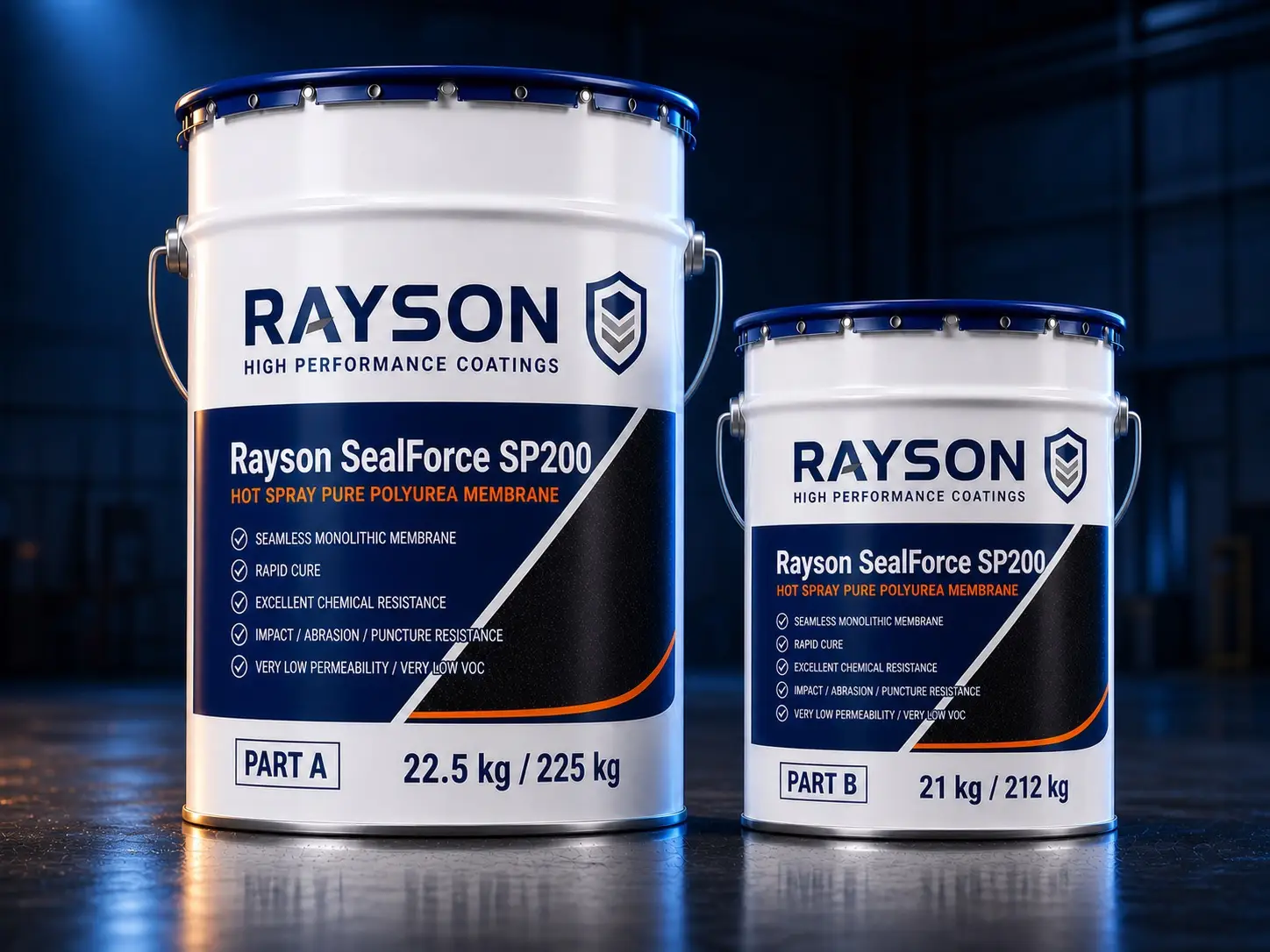
Rayson SealForce SP200 is a hot spray-applied, 100% solids, rapid-curing pure polyurea membrane that forms a seamless, chemically resistant waterproof and protective lining on concrete and steel.
View product
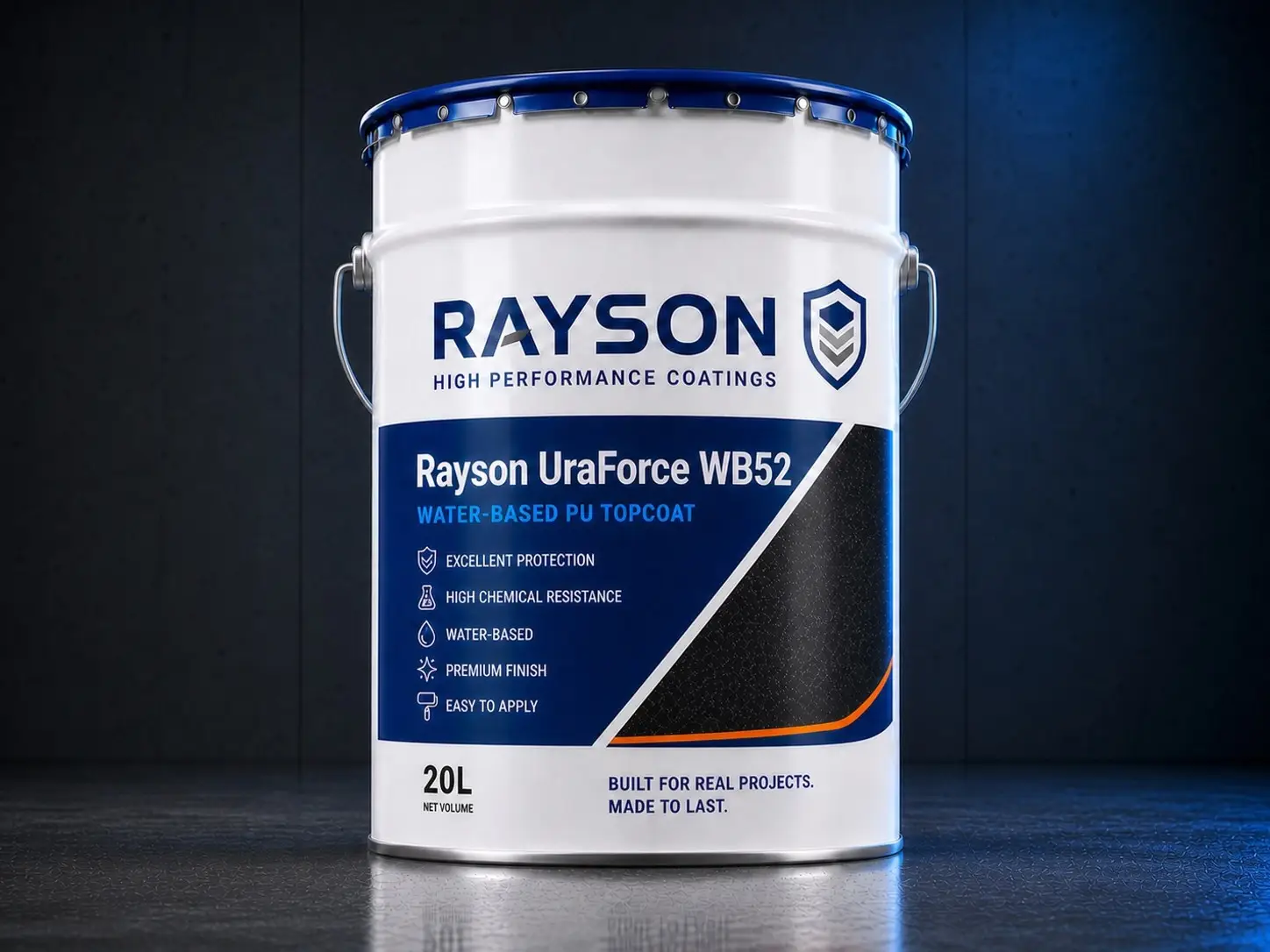
Rayson UraForce WB52 is a two-component, water-based aliphatic urethane floor topcoat — low-VOC, low-odour and UV-resistant — that can be combined with broadcast aggregate for an anti-slip finish.
View product
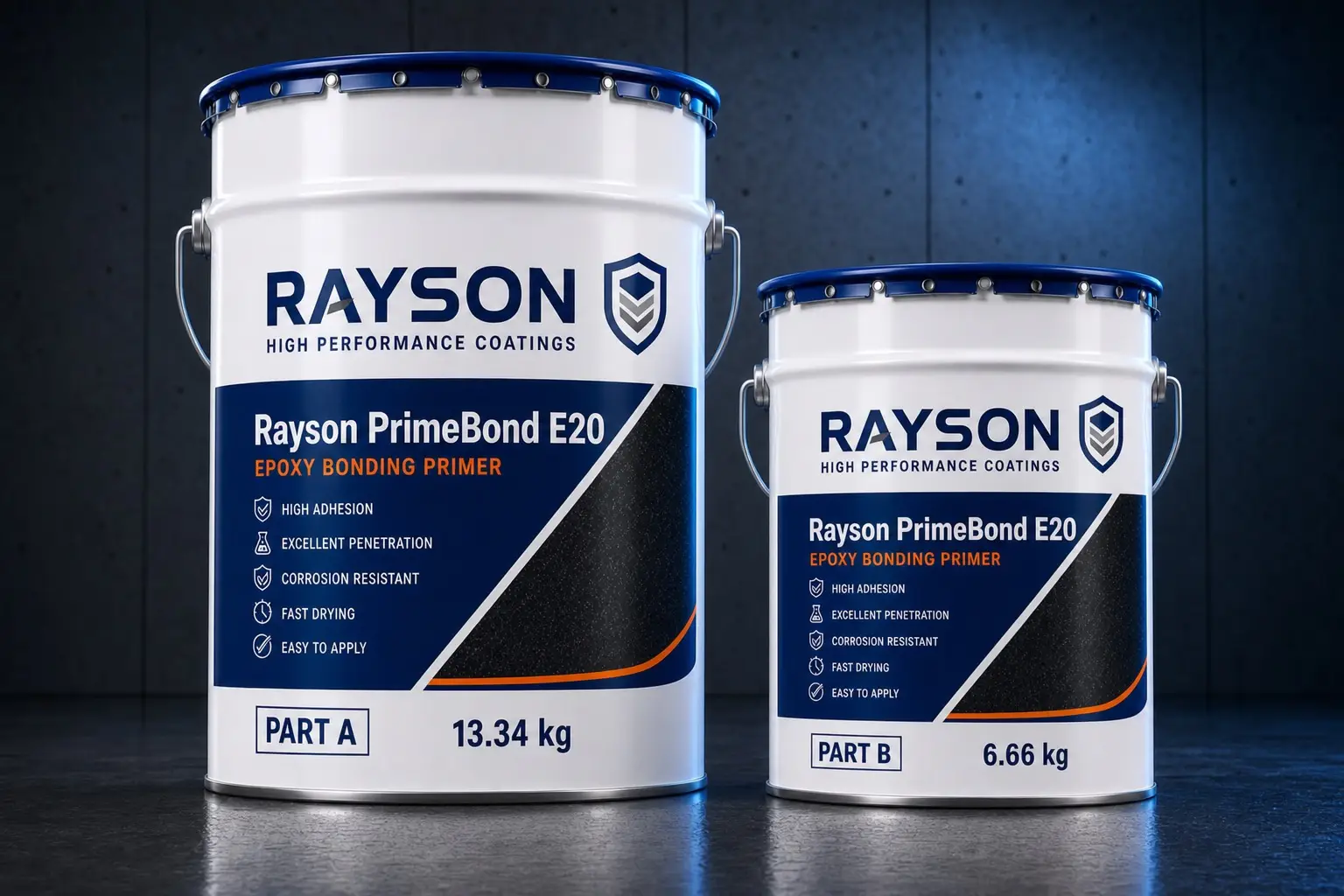
Rayson PrimeBond E20 is a two-component, medium-viscosity, solvent-free epoxy bonding primer that anchors resin floor systems to concrete, screed, asphalt and prepared metal — on dry or damp substrates.
View product
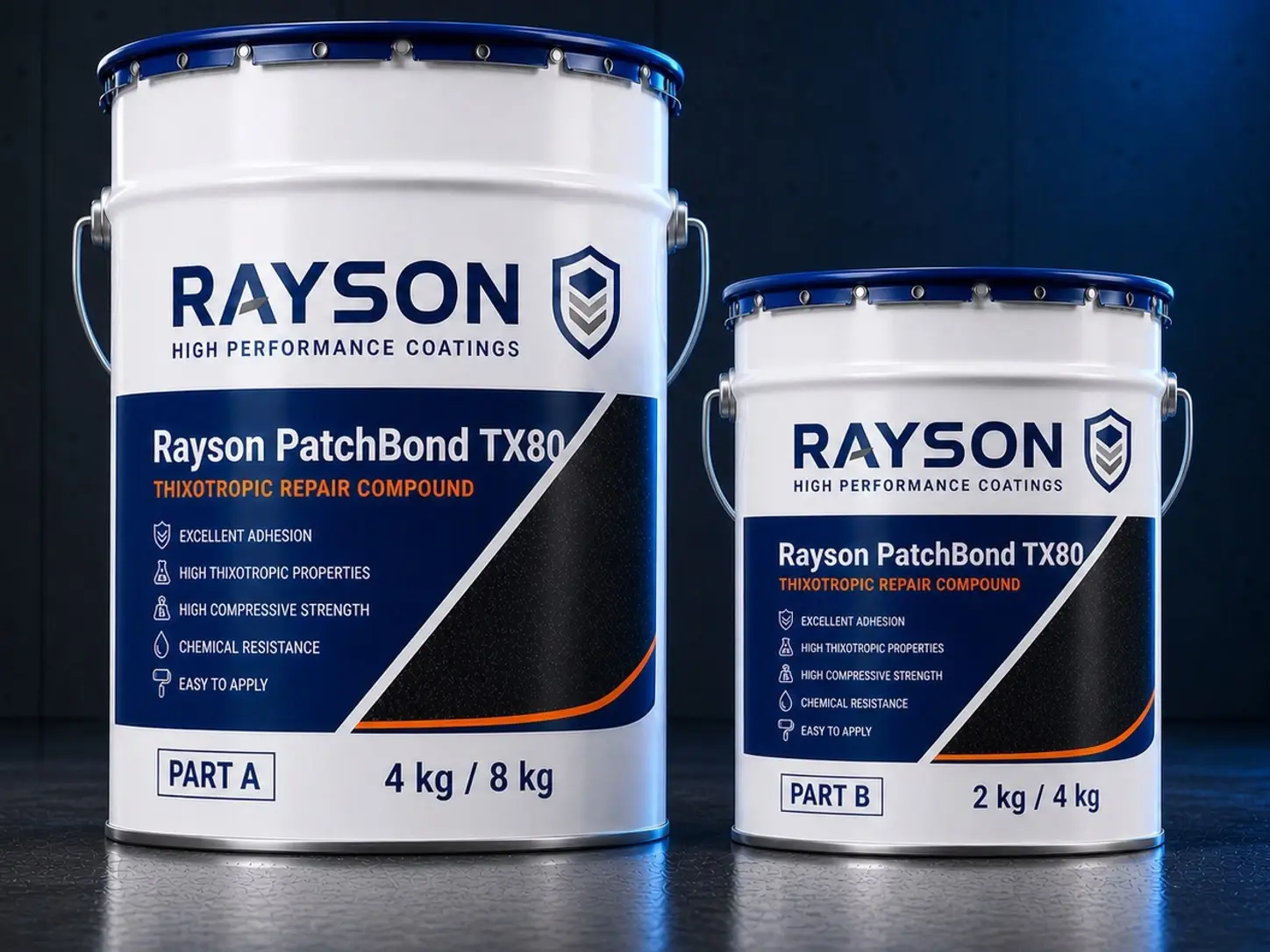
Rayson PatchBond TX80 is a two-component, solvent-free thixotropic epoxy adhesive and repair compound with exceptional sag resistance that bonds and fills on vertical, overhead and even mat-damp concrete surfaces.
View productLive structural cracks, chronic ponding from failed falls, negative-side water pressure, or saturated substrates — these defeat any coating, ours included. In those cases the honest specification is repair, re-screeding to falls, or a membrane system first. That's the advice you'll get from our technical team, because a coating that fails in a year costs you more than the truth today.
Answer four questions about your surface and conditions to shortlist suitable Rayson systems.
Find your systemEstimate material quantities from your floor area, coats and coverage rate.
Estimate quantitiesOpen technical data sheets for every Rayson product — no forms, no gating.
Open the libraryIt depends on the structure and the failure mode. Liquid-applied protective coatings suit exposed concrete surfaces needing seamless UV-stable protection and easy recoat; sheet membranes suit buried or podium situations with heavy hydrostatic pressure. Many roofs use both in different zones. If you are unsure, describe the leak or exposure to our technical team before buying anything.
Three usual causes: UV attacking non-aliphatic coatings (they chalk and crack), ponding water sitting on flat spots with poor falls, and coating over cracks or damp concrete without repair. The fix is exposure-matched chemistry, corrected falls and honest surface preparation — not just a thicker coat of the same paint.
Only if the existing layer is sound and compatible — otherwise it becomes the weakest link under your new coating. A pull-off adhesion check and a small trial patch answer this cheaply. Send photos via WhatsApp for an initial view.
Parapets, façade ledges, plant decks and exposed beams face the same UV, rain and carbonation attack. UV-stable polyurethane finishes over suitable primers protect these surfaces; details and falls matter as much as the coating itself.
Wet-area floors need moisture-tolerant priming, a seamless body coat, anti-slip texture matched to the cleaning regime, and correct falls to drains. See the wet areas application page — slip management and water management are designed together.
Yes. Tell us the structure, the exposure (UV, ponding, foot traffic), the current condition and your access window, and we will specify a Rayson protective coating system honestly — including telling you when a membrane or structural repair is the right answer instead of a coating.
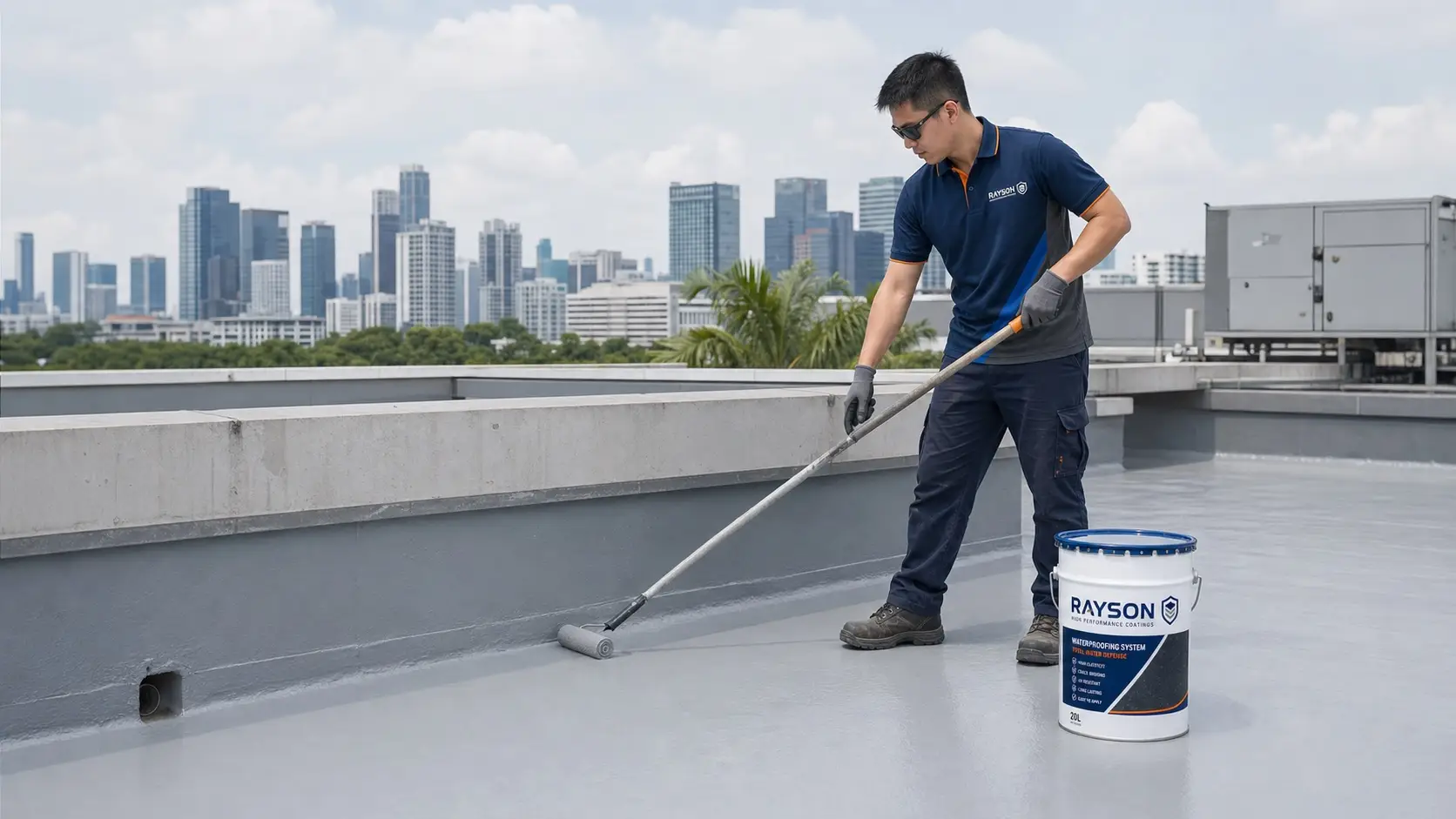
Tell us your surface, area and timeline — our Singapore technical team will recommend a practical system and price it fast.
Rayson assistant
Answers from Rayson's own product information
Guidance only — confirm specifications with the Rayson technical team.