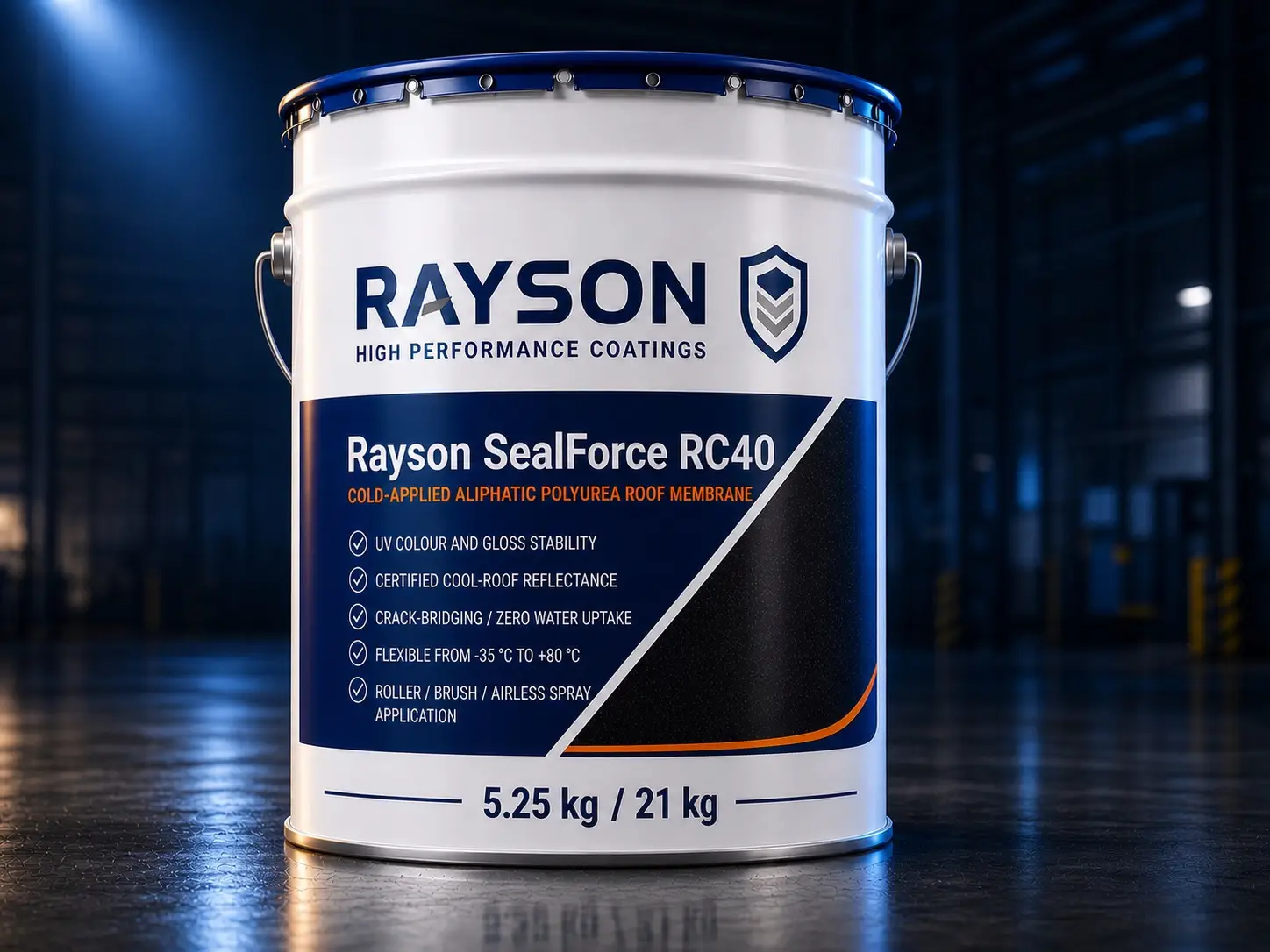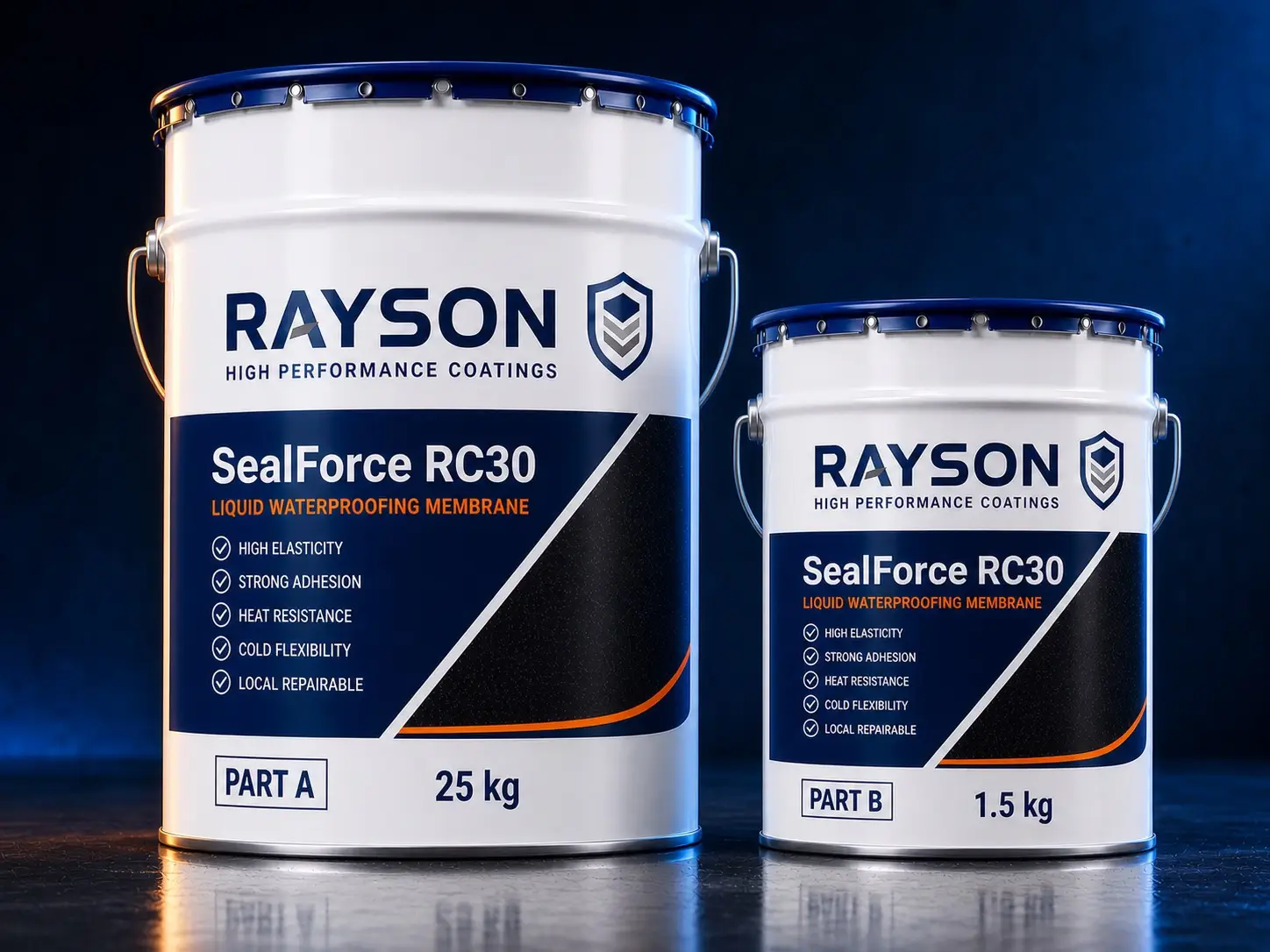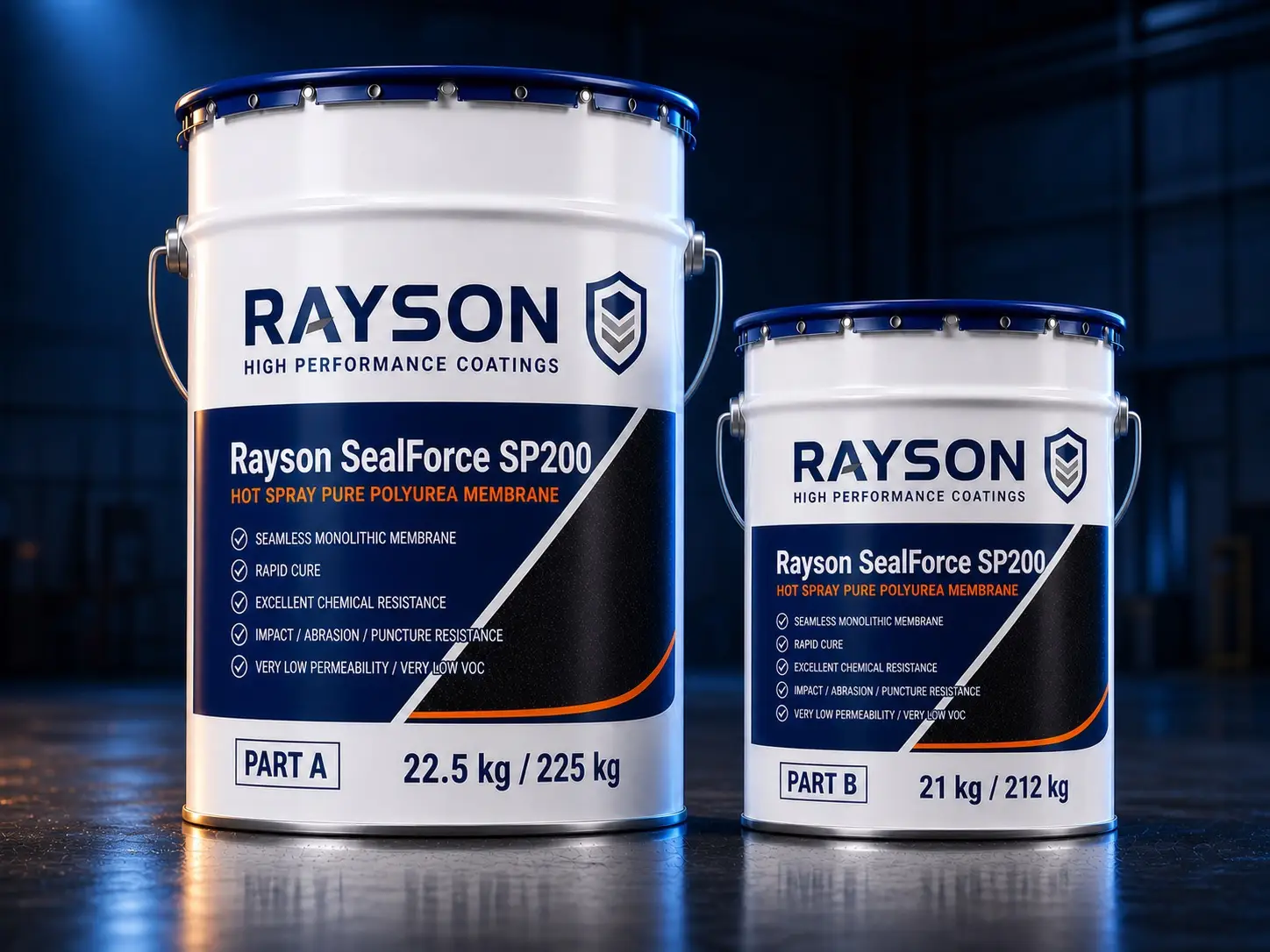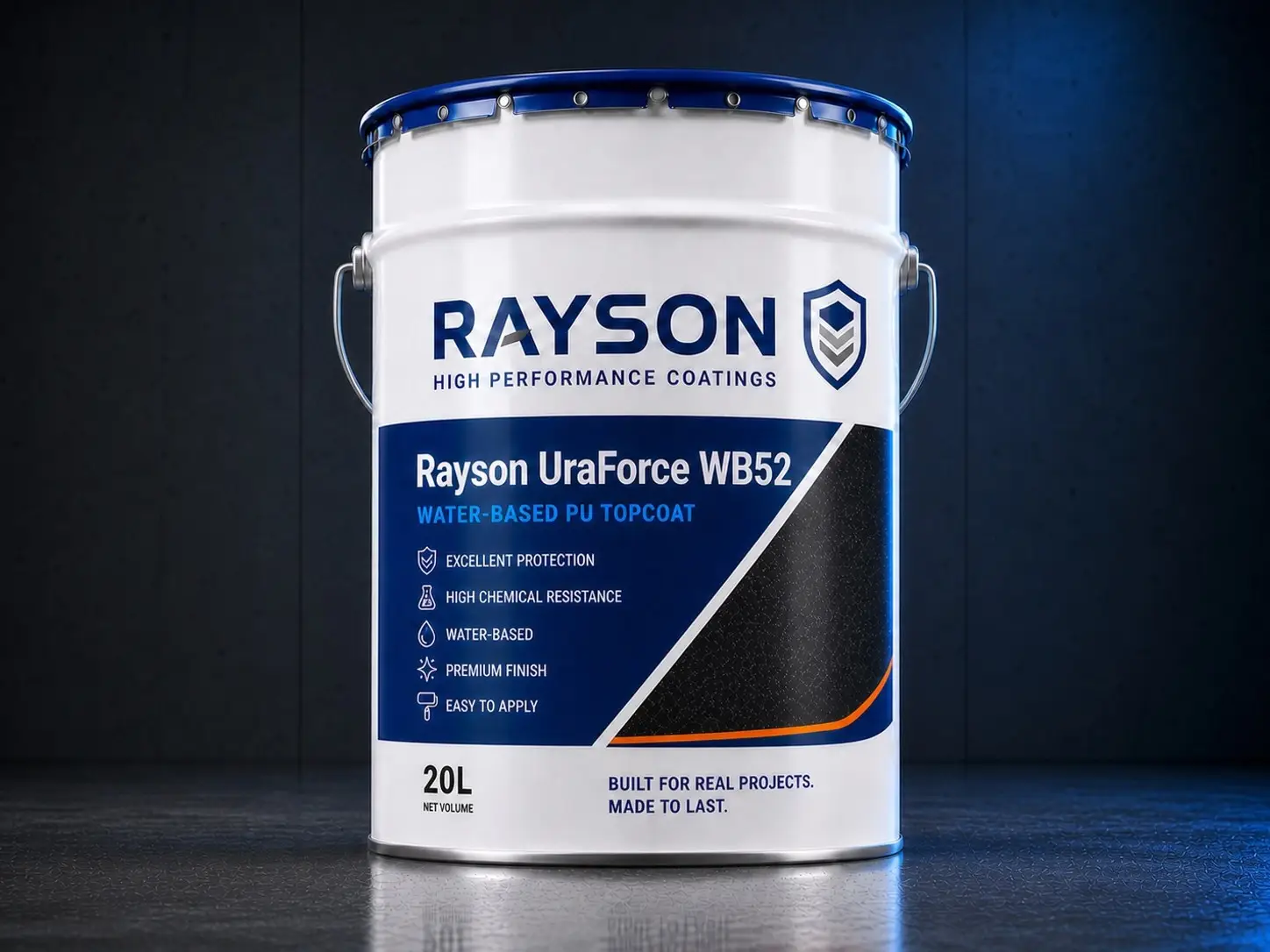
“Coating or membrane?” is one of the first waterproofing questions on any Singapore roof or deck, and it is often answered by habit rather than by the situation. Both are legitimate, proven approaches — they simply excel in different conditions. Here is how to decide honestly, and the trap that defeats both.
What each one is good at
Liquid-applied waterproofing coatings
A coating is applied wet and cures into a seamless film that follows whatever it is put on. Its strengths:
- Seamless over complex shapes. Upstands, penetrations, drains, parapets and changes of plane are coated continuously, with no laps to fail.
- Exposed and trafficable. UV-stable polyurethane finishes such as UraForce SB72 and WB52 take sun and foot traffic; deck build-ups take vehicles.
- Easy to inspect and repair. You can see the whole surface, and recoat a wear zone locally before it becomes a leak.
Its limits: it is not the tool for real hydrostatic pressure, and — like any coating — it cannot bridge standing water or a moving structural crack.
Sheet membranes
A membrane is a manufactured sheet bonded or loose-laid, then usually protected. Its strengths:
- Hydrostatic performance. The right answer for buried tanking and podium decks under sustained water pressure.
- Consistent thickness. Factory-made, so film build is uniform.
Its limits: laps and terminations depend heavily on workmanship, complex geometry is harder to detail, and when a hidden membrane fails, water can travel under it far from the visible leak — making diagnosis and repair difficult.
The decision, by situation
| Situation | Usually points to |
|---|---|
| Exposed roof / deck, complex details, foot or vehicle traffic | Liquid coating |
| Buried tanking, basement, water table pressure | Sheet membrane |
| Podium deck under landscaping or screed | Membrane (often with coating on exposed edges) |
| Parapets, plant decks, exposed beams, ledges | Liquid coating |
| Wet areas — kitchens, wash bays, bathrooms | Liquid coating with anti-slip finish |
| Building with both buried and exposed zones | Both, zone by zone |
The waterproofing landing page has a fuller side-by-side, and the roofs & exposed structures and wet areas pages cover those applications in detail.
The trap that defeats both
The most expensive waterproofing mistake is not choosing the “wrong” category — it is choosing either one to cover up a problem neither can solve:
- Ponding water from failed falls will age and eventually defeat any system. Fix the falls first.
- Moving structural cracks reappear through coatings and split membrane laps. Treat the crack — with a flexible detail or a repair such as PatchBond TX80 — before waterproofing over it.
- Negative-side (under-slab) water pressure pushes water the wrong way through most positive-side systems. It needs a specific approach, not a heavier coat.
No waterproofing product, however good, substitutes for correcting the water path. This is the honest heart of every waterproofing decision.
Preparation is still the foundation
Whichever system you choose, it is only as good as the surface it bonds to. Sound, clean, correctly prepared concrete — primed where needed with PrimeBond E20 for damp-prone slabs — is the base for a liquid system, just as a properly prepared and detailed substrate is for a membrane. See the surface preparation guide.
Getting the right call
If you are weighing coating against membrane for a Singapore roof, deck or wet area, the fastest way to a good answer is to describe the exposure, the traffic, the geometry and — crucially — any ponding or cracking to our technical team. We will recommend a liquid coating where it genuinely fits, say so plainly when a membrane or a structural fix is the right first step, and often propose using both in the right places. Honest waterproofing advice saves far more than it costs.