GripSafe acrylic
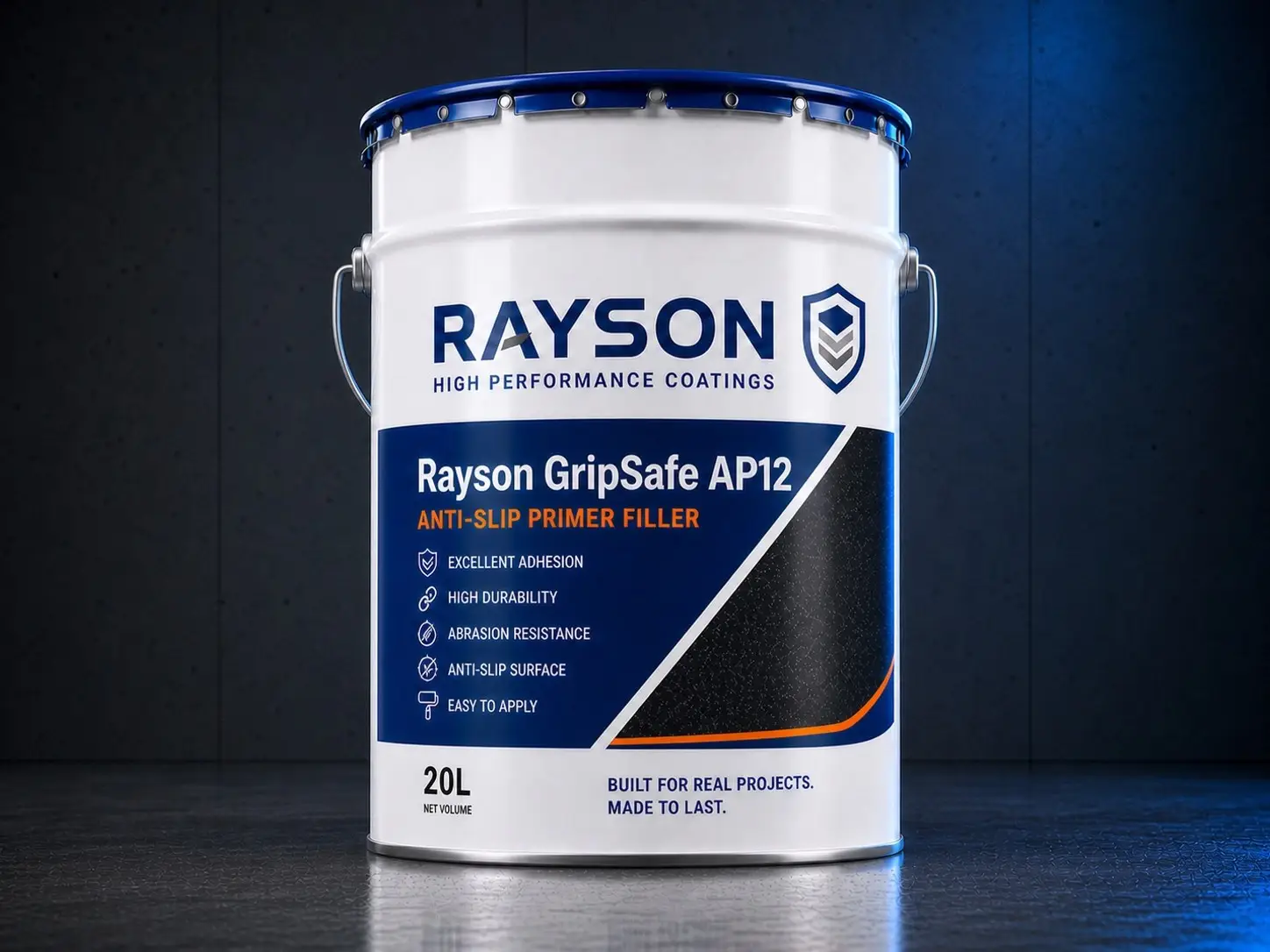
Rayson GripSafe AP12
Rayson GripSafe AP12 is a one-pack, self-crosslinking acrylic primer filler loaded with 0.5–1.5 mm silicate quartz aggregate that builds an anti-slip texture directly onto concrete and asphalt.
View product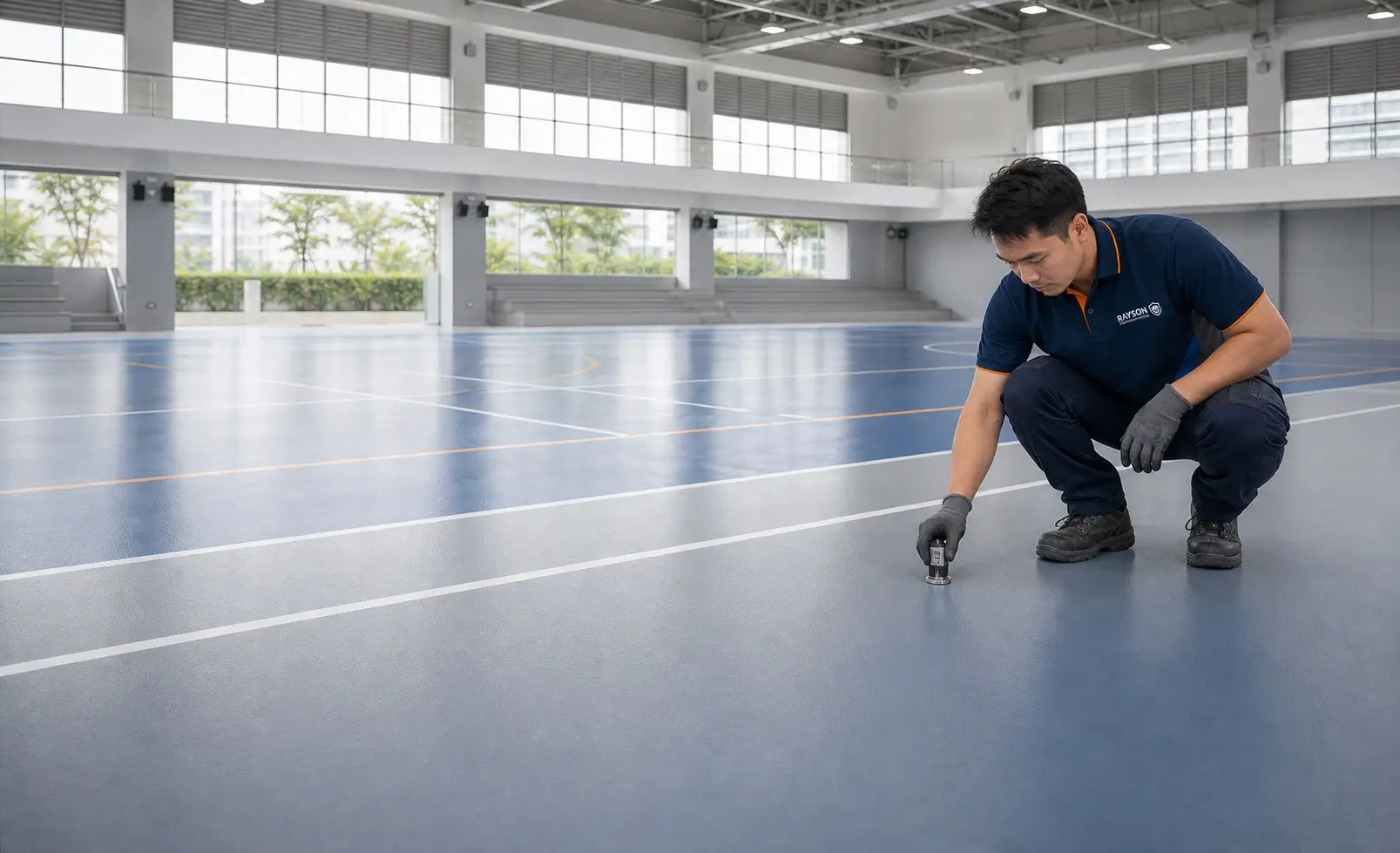
Singapore's monsoon rain, daily wash-downs and busy kitchens make smooth floors a foreseeable slip risk at entrances, ramps and wet zones. Anti-slip floor coatings manage that risk by building a controlled texture into the floor system — enough profile to grip underfoot, but not so much that the floor traps dirt and becomes uncleanable. Rayson manufactures the GripSafe anti-slip system locally and specifies texture zone by zone against your actual cleaning regime.
| Zone | Contamination | Sensible texture | Cleaning implication |
|---|---|---|---|
| Entrance lobbies / retail thresholds | Rain-tracked water | Fine, discreet profile | Mops clean; presentable finish |
| Corridors & walkways | Occasional spills | Fine–medium | Routine scrubbing |
| Commercial kitchens / F&B wet zones | Grease, fats, hot water | Medium–coarse | Mechanical scrub-dry required |
| Wash bays & process wet areas | Standing water, chemicals | Coarse | Pressure wash / heavy scrubbing |
| Pedestrian ramps | Rain, gradient | Medium–coarse | Scheduled scrubbing |
| Vehicle ramps & turning aisles | Wet tyres, braking forces | Coarse, hard aggregate | Sweep grit; periodic re-texture |
The full reasoning — texture vs cleanability, aggregate broadcast, maintenance — is in the anti-slip floor guide.
See wet areas, car park decks, F&B facilities and education for zone-specific detail.
Rayson GripSafe AP12 is a one-pack, self-crosslinking acrylic primer filler loaded with 0.5–1.5 mm silicate quartz aggregate that builds an anti-slip texture directly onto concrete and asphalt.
View product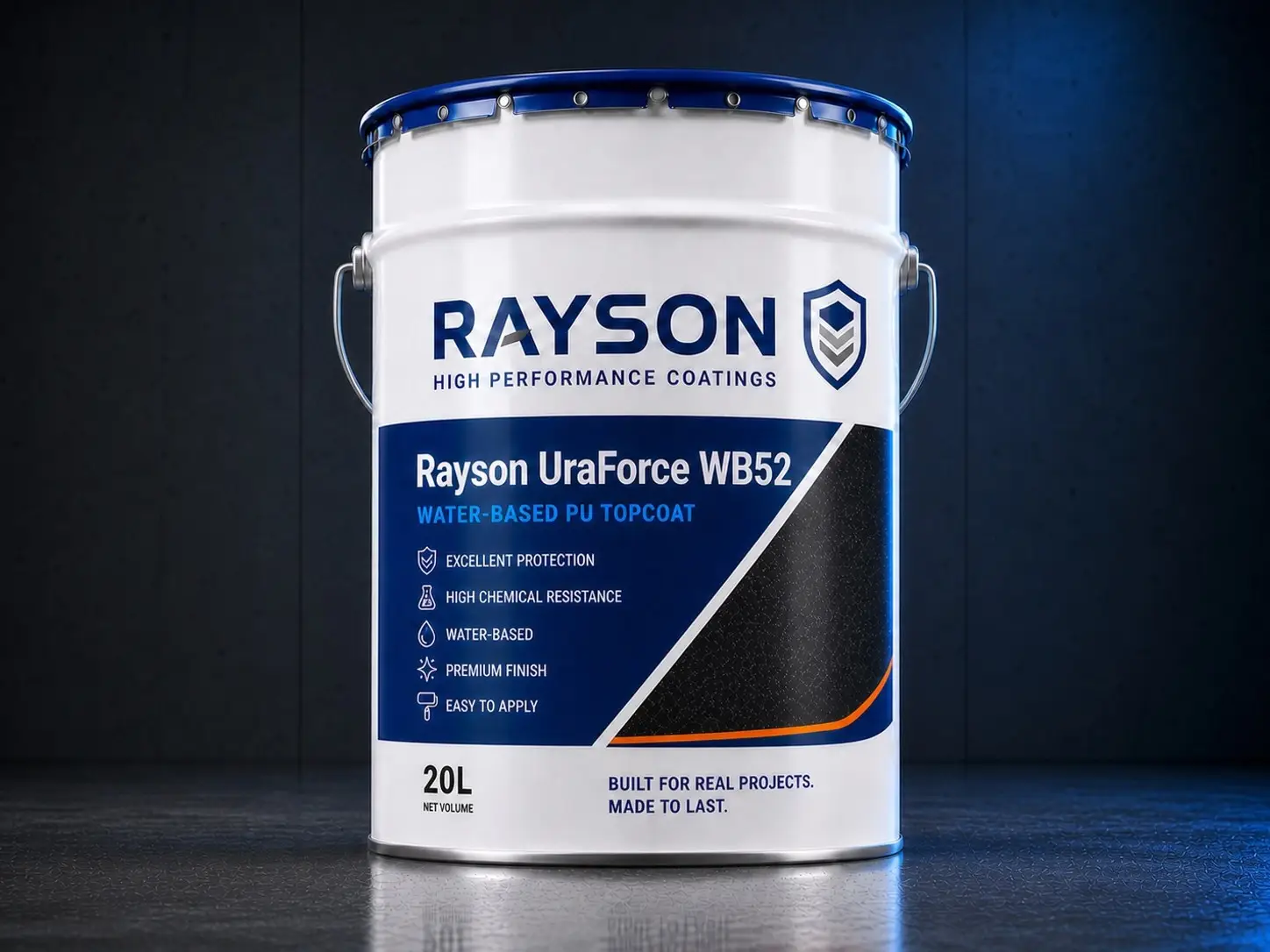
Rayson UraForce WB52 is a two-component, water-based aliphatic urethane floor topcoat — low-VOC, low-odour and UV-resistant — that can be combined with broadcast aggregate for an anti-slip finish.
View product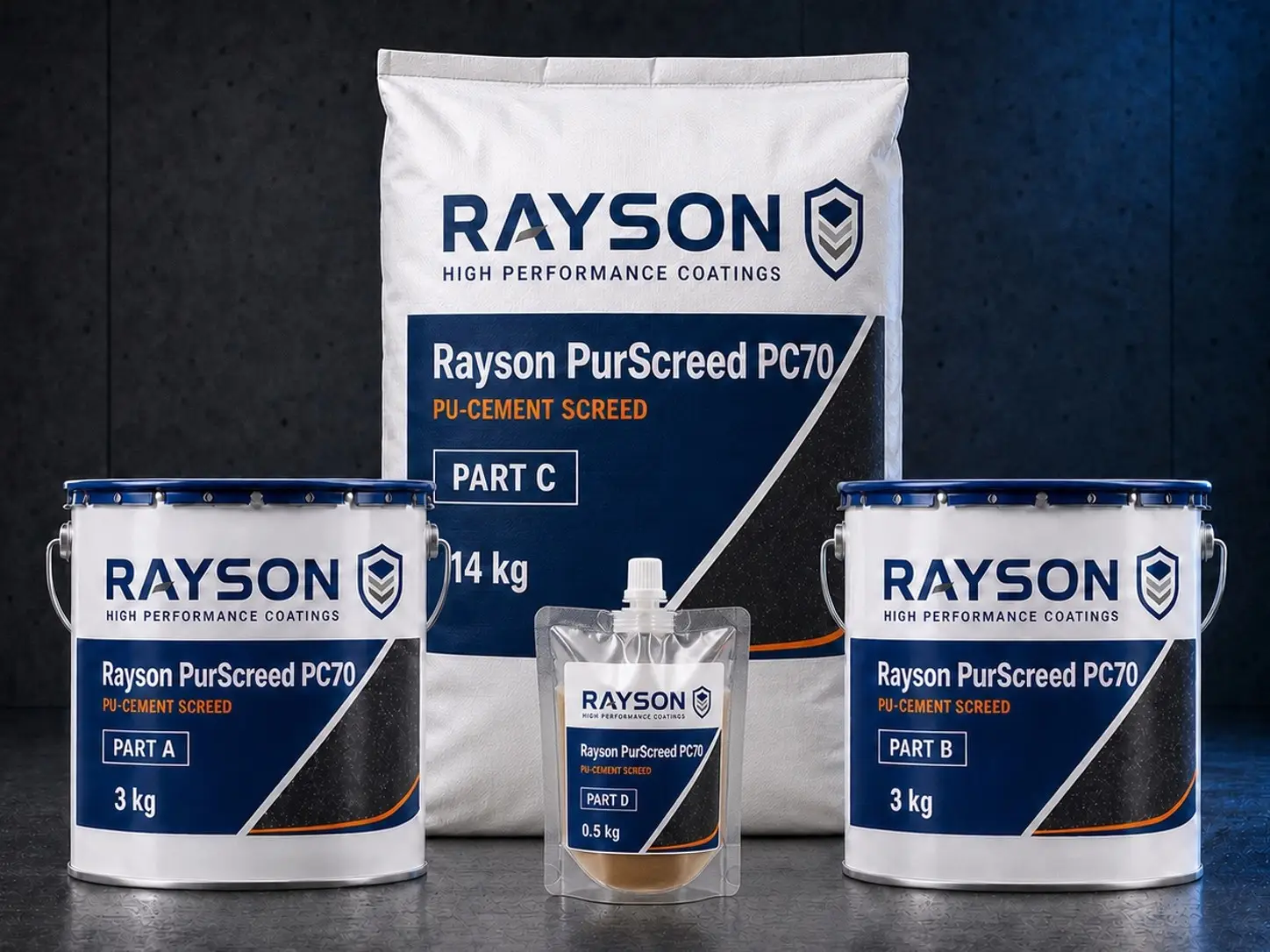
Rayson PurScreed PC70 is a four-part, water-based polyurethane-cement self-smoothing screed installed at 1.5–3 mm for medium to heavy-duty industrial floors with high chemical resistance.
View product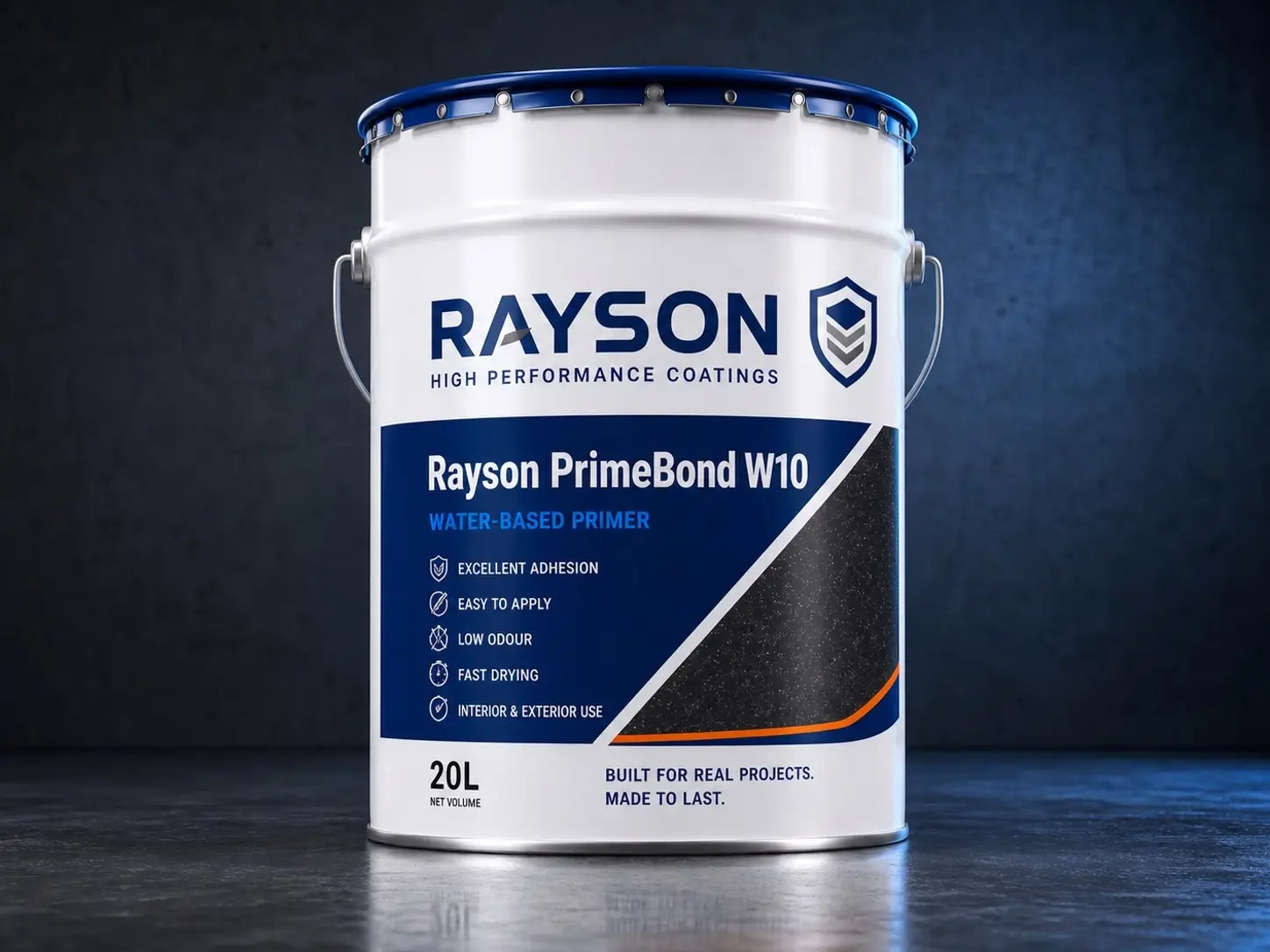
Rayson PrimeBond W10 is a one-component, water-based acrylic primer, sealer and bonding agent for smooth concrete and mineral substrates, applied ahead of Rayson UraForce water-based topcoats.
View productAnswer four questions about your surface and conditions to shortlist suitable Rayson systems.
Find your systemEstimate material quantities from your floor area, coats and coverage rate.
Estimate quantitiesOpen technical data sheets for every Rayson product — no forms, no gating.
Open the libraryAnywhere rain, washing or grease meets foot traffic: entrance lobbies during monsoon season, kitchens and F&B wet zones, wash bays, changing rooms, swimming pool surrounds, and every ramp — pedestrian or vehicle. If a wet floor there is foreseeable, slip management is simply good practice.
No — this is the classic specification mistake. Very coarse texture traps grease and dirt, becomes hard to clean, and once clogged can be less slip-resistant than a moderate profile. The right grade balances grip against your actual cleaning regime, zone by zone.
Two main routes: broadcasting a graded aggregate (silica or harder grit) into a wet coat and sealing it, or using a pre-textured product such as Rayson GripSafe AP12 that builds a keyed, textured base within the system. Aggregate grade and broadcast rate set the final profile.
Often, yes — high-risk zones like ramps and entrances can be locally treated with a textured coat over prepared, sound existing coating. Whether local treatment or full recoat makes sense depends on the condition of what is there; send photos for a quick view.
Mechanical scrubbing rather than mopping — a mop drags contaminant around the profile instead of lifting it out. A clogged texture loses its grip, so cleaning method and anti-slip grade must be chosen together, not separately.
Slip performance depends on the installed texture grade, footwear and contamination, so blanket lab numbers can mislead. We specify texture to your zones and cleaning regime, and can arrange on-site assessment for safety-critical areas — ask our technical team.
Tell us your surface, area and timeline — our Singapore technical team will recommend a practical system and price it fast.
Rayson assistant
Answers from Rayson's own product information
Guidance only — confirm specifications with the Rayson technical team.