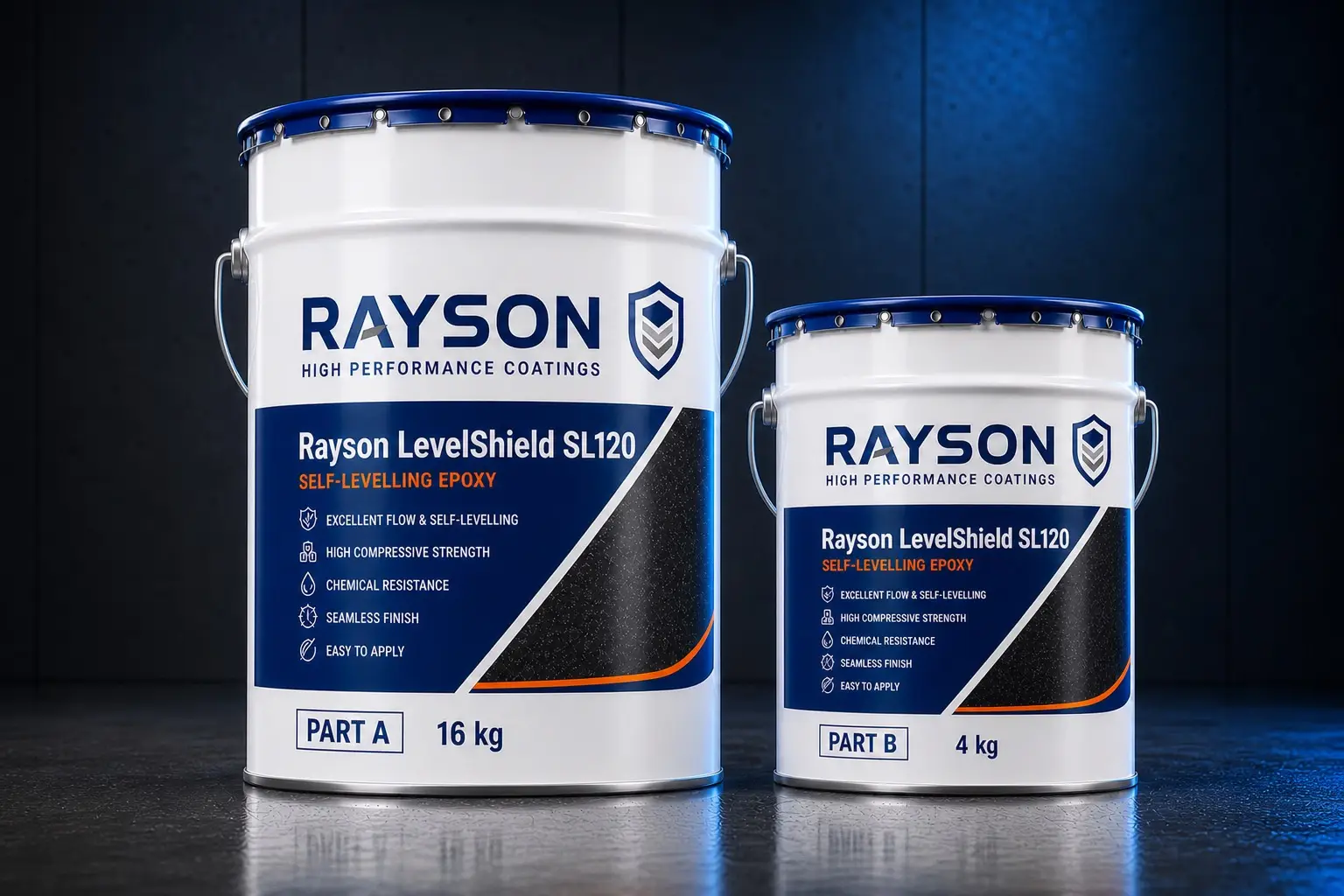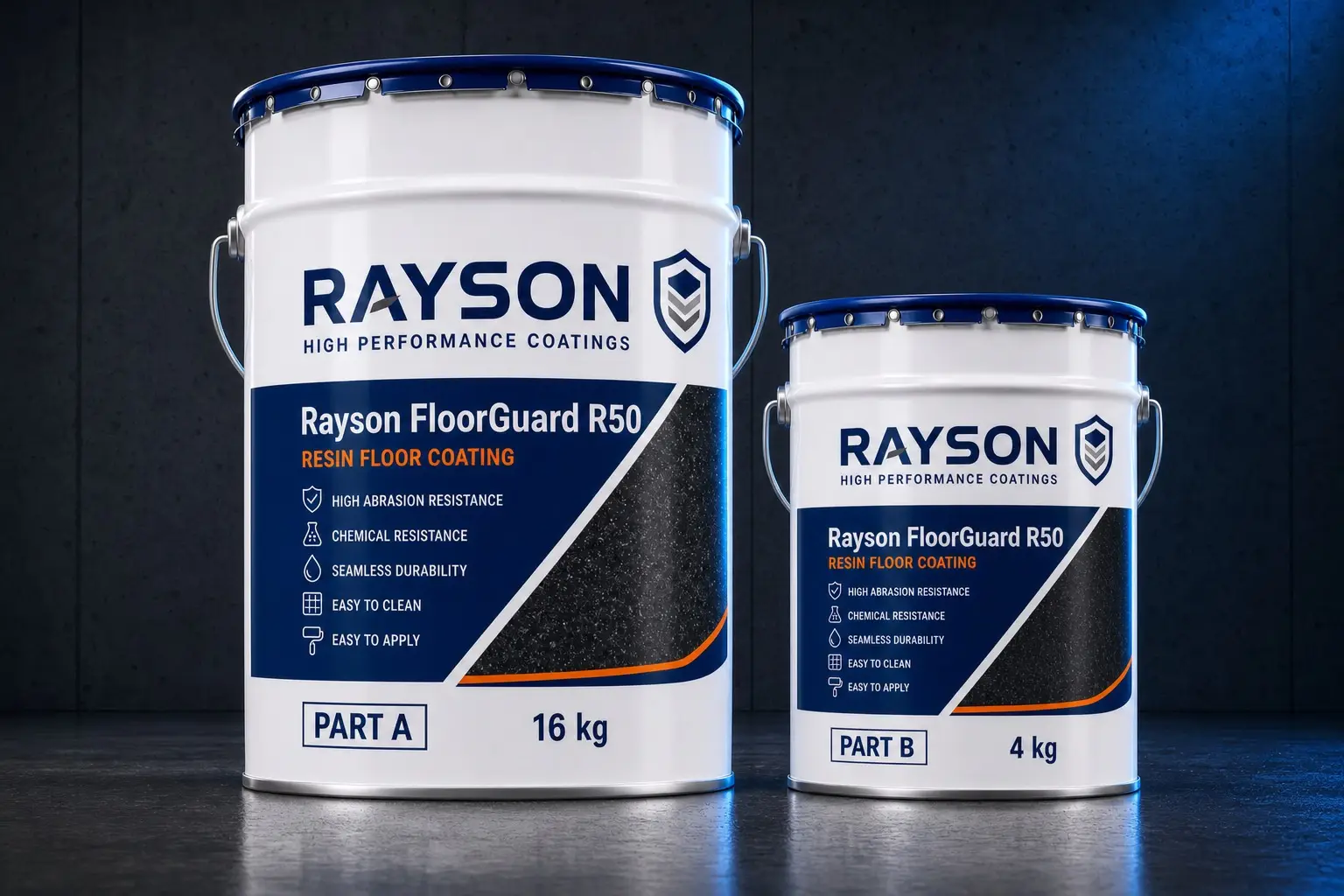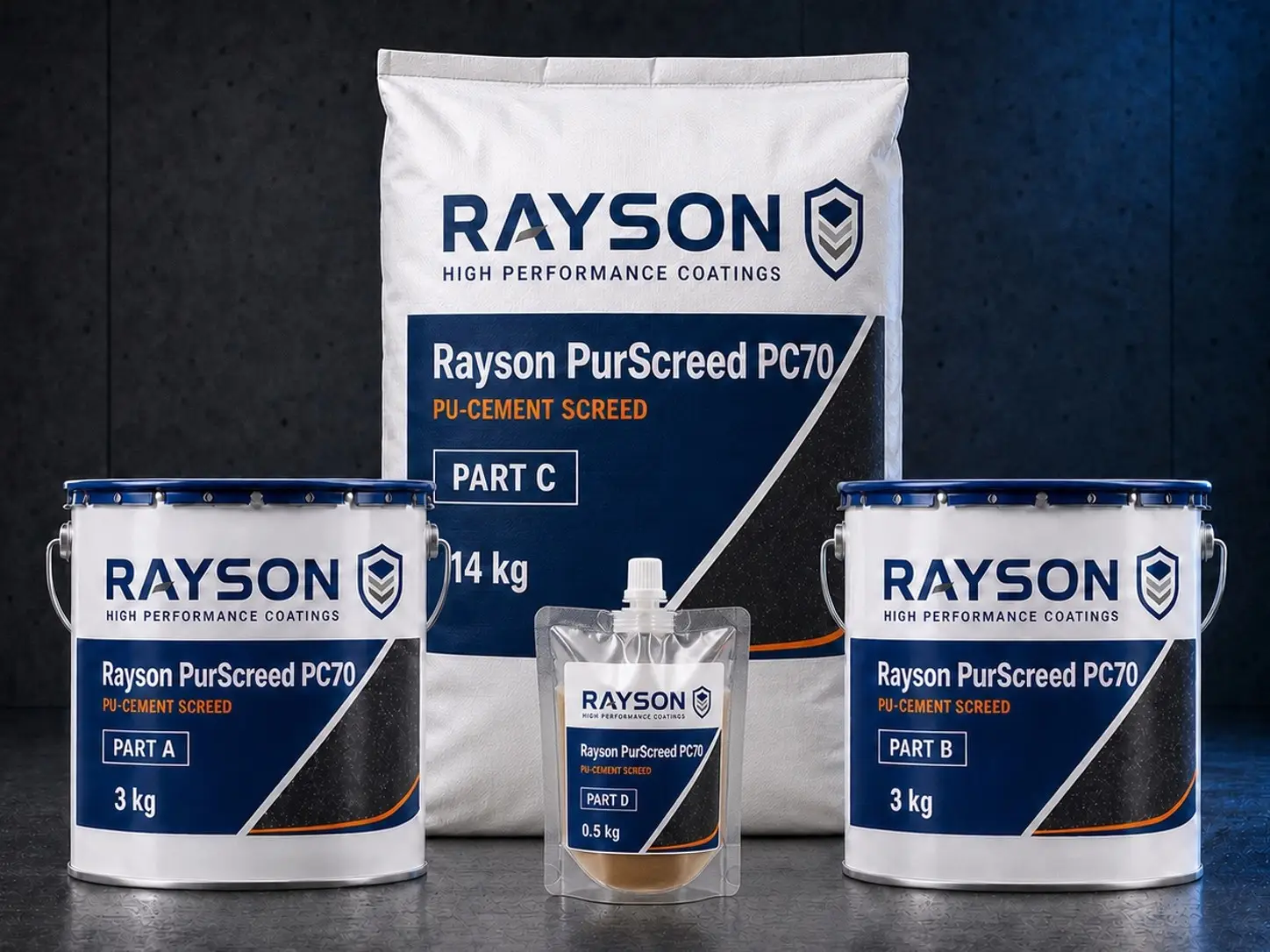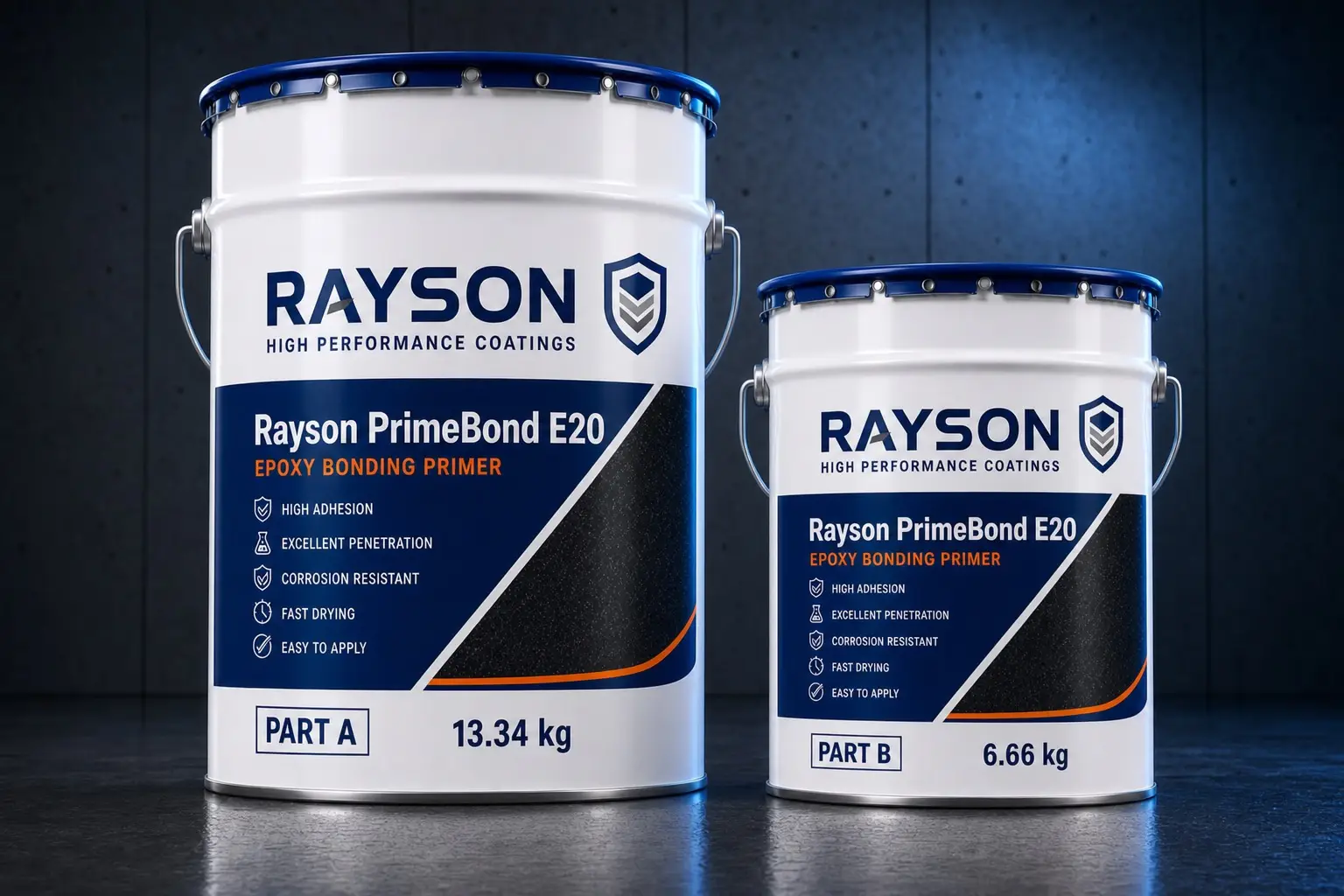
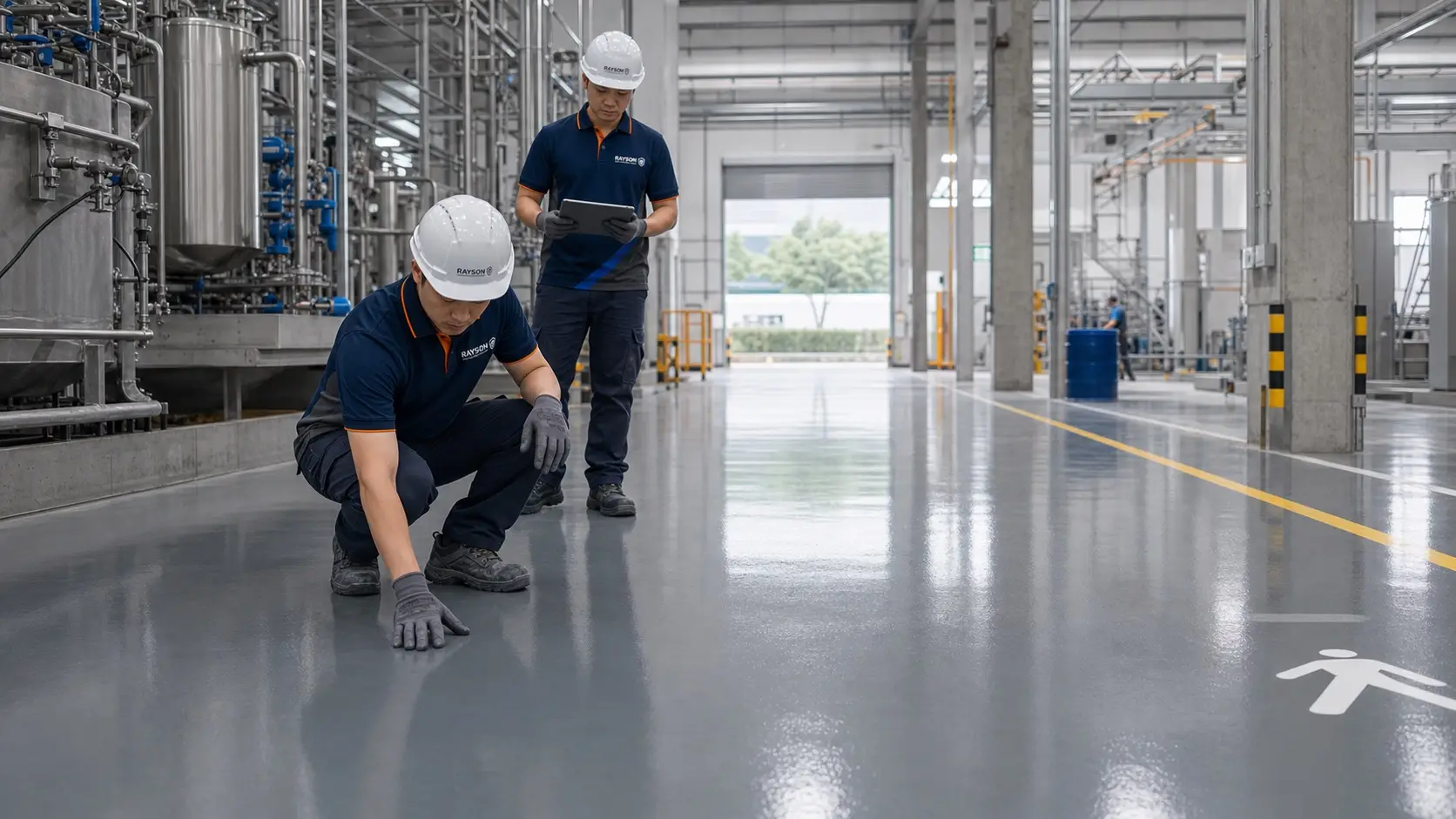
The most common warehouse flooring mistake is specifying one system for the whole building. A pallet-racking bay that only ever sees a stationary load and a main forklift aisle carrying constant turning traffic have completely different needs. Specify for the aisle everywhere and you overspend; specify for the storage bay everywhere and the aisles wear through. The right approach is to zone the floor by traffic class and match each zone to a system that fits.
Read the traffic honestly
Before choosing anything, map how each area is actually used — not how it was used when the building opened:
- Foot traffic and static storage — walkways, racking bays where loads sit still, low-activity stores.
- Pallet-truck traffic — pick faces and cross-aisles with manual and powered pallet trucks.
- Forklift traffic — main aisles, loading zones, marshalling areas with constant turning, braking and point loads.
- Impact and wet process — battery charging, wash bays, decanting areas, anywhere with spillage, dropped loads or standing water.
Turning forces and point loads, not just tonnage, are what punish a floor. A forklift cornering under load stresses a coating far more than the same weight sitting on a rack leg.
Match the system to the class
| Traffic class | Sensible system | Rayson build-up |
|---|---|---|
| Foot traffic / static storage | Roller-applied epoxy | FloorGuard R50 over PrimeBond E20 |
| Pallet-truck traffic | Roller epoxy (upper spec) to self-levelling | FloorGuard R50 or LevelShield SL120 |
| Forklift traffic / production | Self-levelling epoxy | LevelShield SL120 over PrimeBond E20 |
| Impact / wet process | PU-cement screed | PurScreed PC70 |
A roller-applied epoxy is a hard, cleanable film — ideal for lighter duty and economical over large low-traffic areas. A self-levelling epoxy builds a thicker, seamless wearing surface that takes forklift point loads and drag. A PU-cement screed is the heavy-duty answer where impact, thermal shock or aggressive spills would fatigue a resin coating. The full logic is in the system selection guide.
Don’t forget the substrate and joints
Whatever the surface system, warehouse floors live or die on two details:
- Joints and slab defects. Trafficked joint edges break down first. Reinstate arrises and defects with a repair mortar such as MortarBond EM90 before coating, or the coating simply follows the damage.
- Preparation. Forklift traffic is unforgiving of a weak bond. Mechanical preparation to remove laitance and open the surface is non-negotiable — see the surface preparation guide.
Demarcation and phasing
Two practicalities that belong in the specification, not as afterthoughts:
- Line marking for aisles, walkways, racking lines and safety zones is cheaper and far more durable when integrated into the coating system than added later as tape.
- Phasing. Most Singapore warehouses cannot close. A realistic specification plans the work area-by-area around operations, with recoat and cure timings that fit the available windows. Get this wrong and the programme, not the product, becomes the problem — a theme we cover in why coatings fail.
The bottom line for specifiers
Specify to the heaviest traffic that regularly crosses each zone — not the worst case that happens once a year, and not an average that leaves the aisles underbuilt. Zone the floor, match each zone, detail the joints, integrate the marking, and plan the phasing. That is how a warehouse floor lasts under real Singapore logistics traffic.
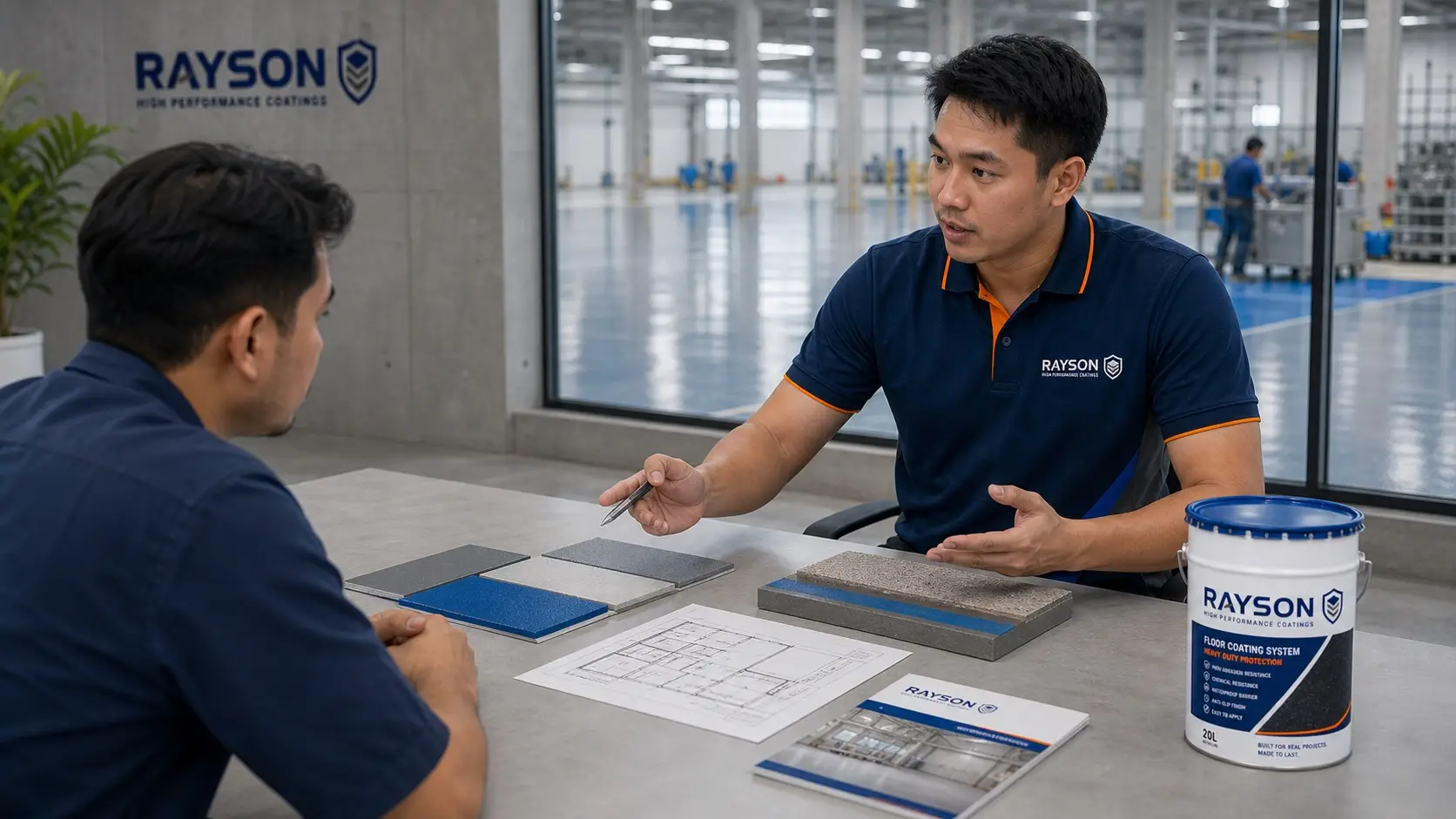
For a zoned specification on your building, send us a floor plan with the traffic routes and duties marked, and our technical team will map systems to zones with you — including where a lighter, cheaper system is genuinely enough.