Car park decks are one of the most demanding surfaces a coating faces. They have to keep water out of the structure and the levels below, and survive constant turning, braking vehicle traffic — and on exposed top decks, do it under full Singapore sun and monsoon rain. Specifying a deck coating is really specifying for two jobs at once, and the common failures all come from getting the balance or the details wrong.
Top decks vs intermediate decks
The single most important distinction is exposure.
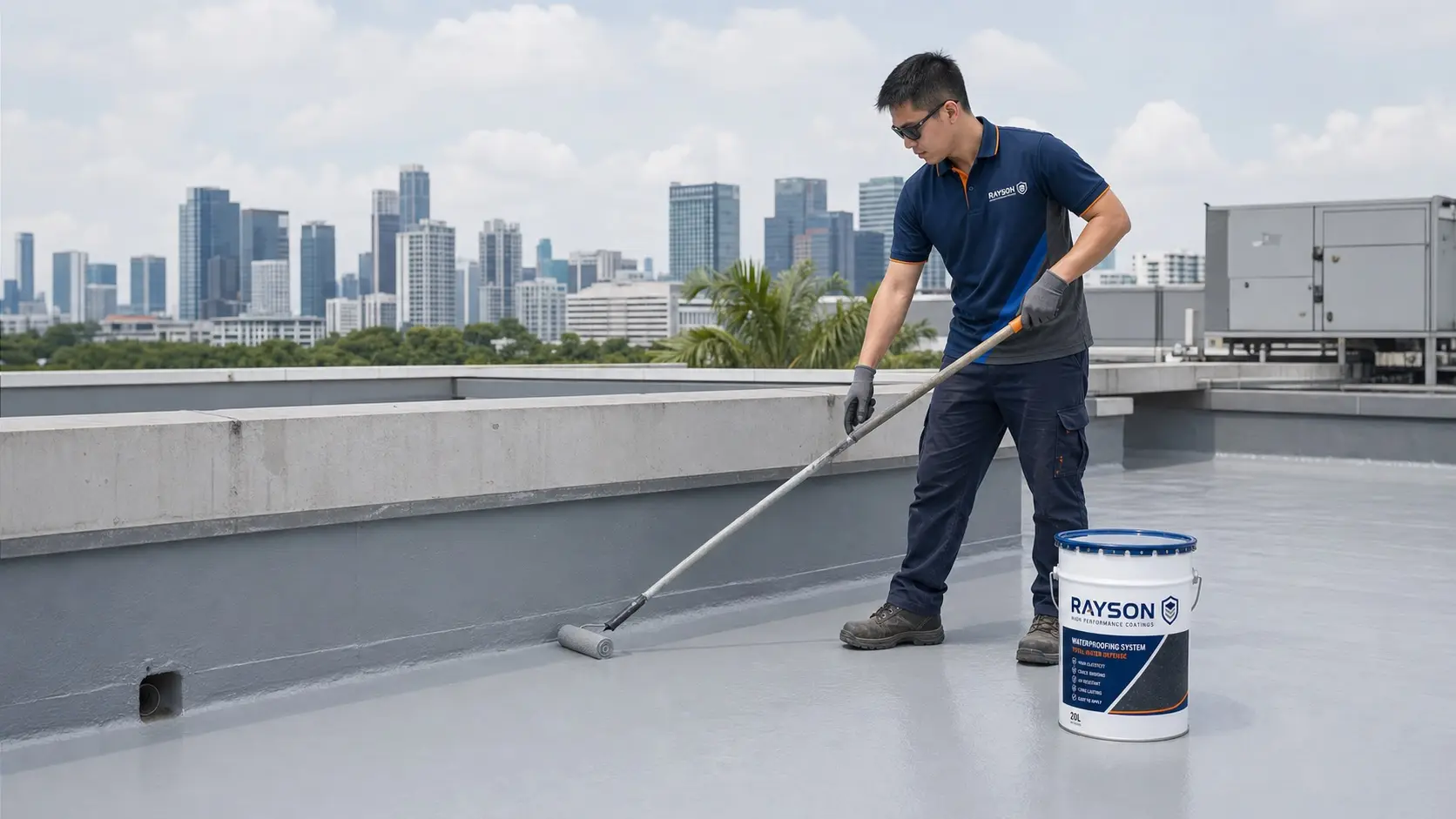
Exposed top decks take everything: UV, driving rain, thermal cycling and traffic. This has three consequences for the specification:
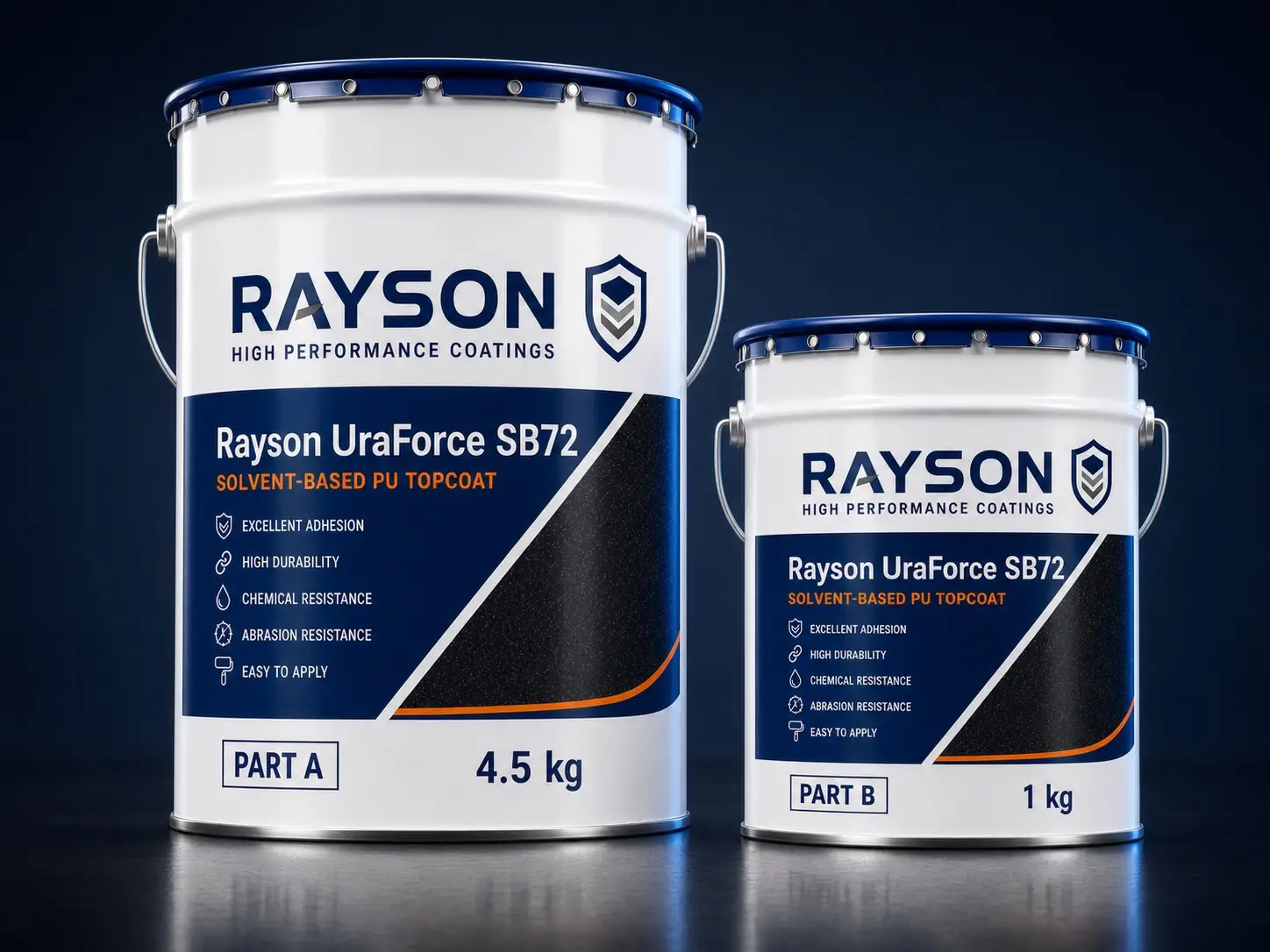
- UV stability is non-negotiable. Standard epoxies and aromatic coatings yellow and chalk in sun. Top decks need a UV-stable aliphatic polyurethane finish such as UraForce SB72.
- Falls and drainage decide the lifespan. Ponding water on a flat spot ages any coating and drives water into the smallest defect. Correct falls to drains matter as much as the coating itself.
- Crack and joint detailing must handle thermal movement without splitting.
Intermediate decks are sheltered from rain and UV, so the emphasis shifts to traffic durability, oil resistance and — where decks sit above occupied or sensitive spaces — reliable water resistance and joint detailing. The finish does not need UV stability, but the adhesion and wear demands are just as high.
The two failures to design out
Hot-tyre pickup
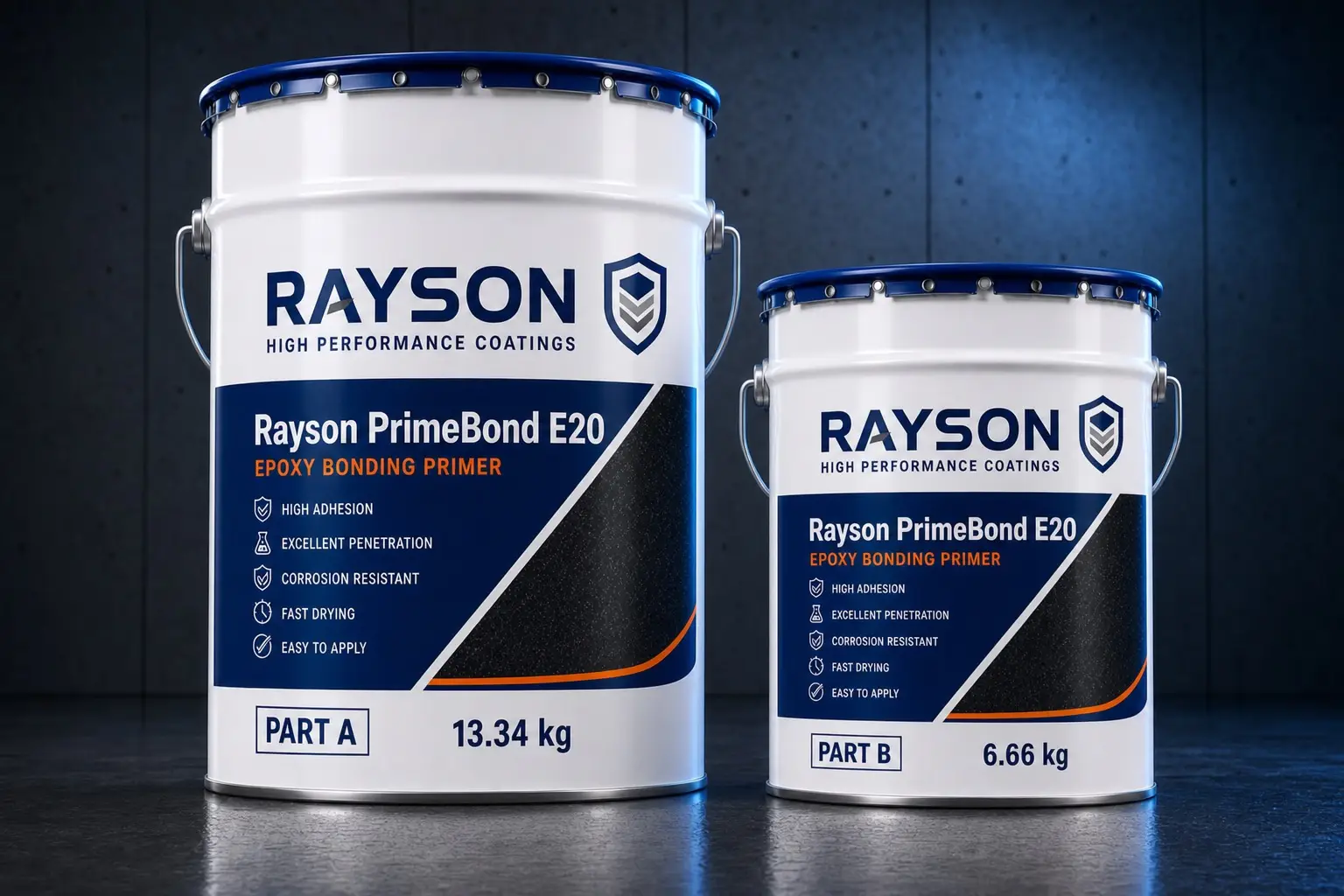
The most common car park coating failure is hot-tyre pickup — warm tyres bonding to a weak, under-cured or poorly adhered coating and lifting it off, worst on ramps and turning bays. It is a specification and workmanship failure, not a usage one. The defence is thorough preparation, a properly matched primer such as PrimeBond E20, a system built for vehicular traffic, and adequate cure before cars return. We cover it fully in hot-tyre pickup: why car park coatings fail at the ramp.
Ponding and cracked details
Water is patient. It finds the low spot, sits there, and works into any crack or open joint. Two things prevent it: correcting falls so water drains rather than pools, and reinstating cracks and details — with a compatible repair such as PatchBond TX80 — before coating rather than bridging them with the coating itself. A coating cannot compensate for a deck that holds water.
A sensible deck specification
- Assess and repair. Check falls, ponding, existing waterproofing and structural condition. Correct falls and reinstate cracks and joints first.
- Prepare and prime. Mechanical preparation for a sound bond — the real defence against hot-tyre pickup — with a primer matched to the (often damp) deck.
- Build the traffic coat. A tough, well-adhered wearing system suited to vehicle traffic.
- Finish for the exposure. UV-stable polyurethane on exposed top decks; a durable finish on sheltered decks.
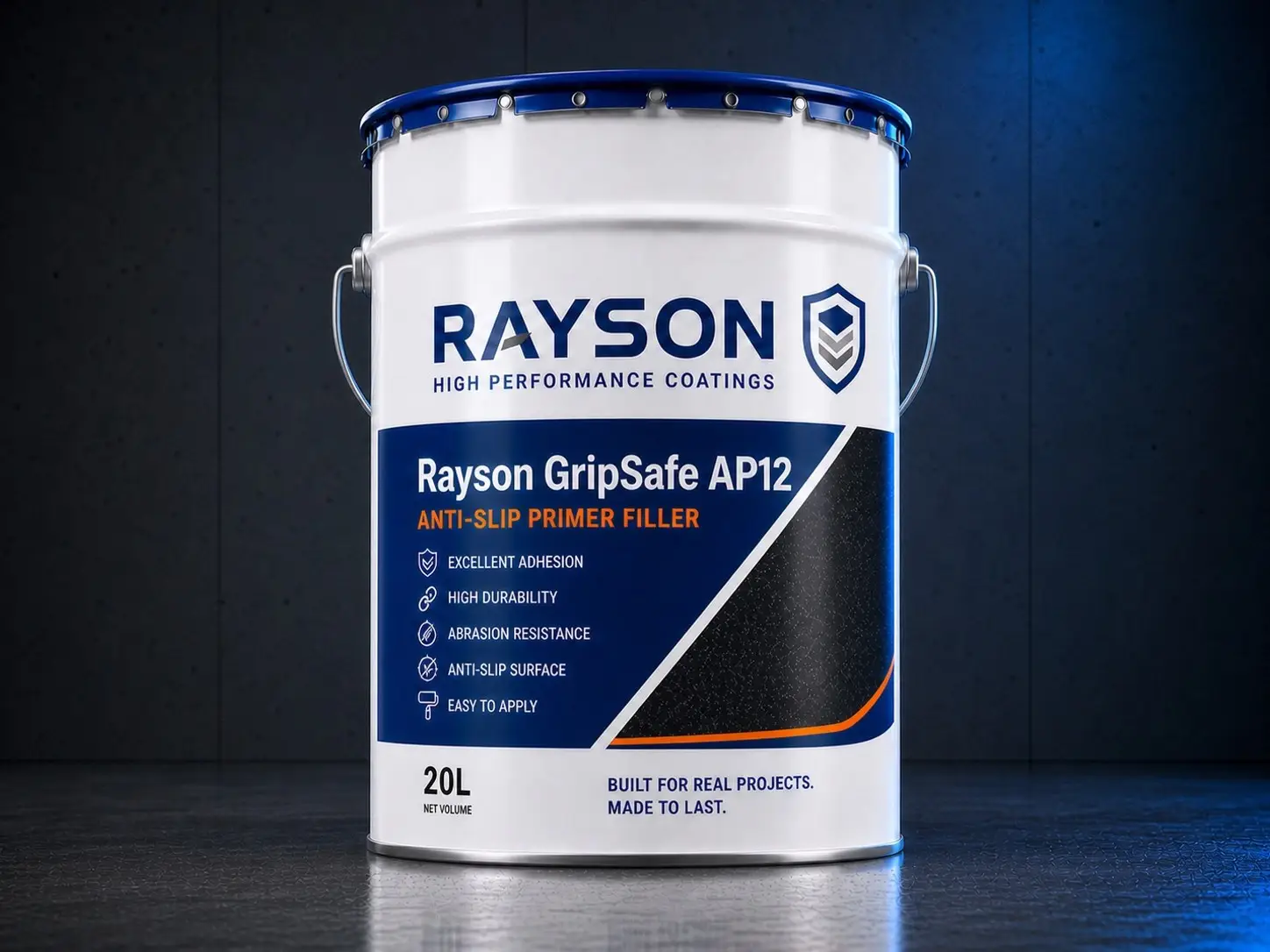
- Detail the ramps. Add anti-slip texture — for example GripSafe AP12 — on ramps and turning aisles for both wet-braking safety and mechanical key, and protect them longest during cure.
- Mark it out. Integrate bay numbering, arrows and pedestrian routes into the system rather than adding tape later.
Monsoon programming
Exposed-deck work in Singapore is governed by weather, not the calendar. Rain and dew point set the windows, and a deck that hasn’t dried from the last storm must not be coated — that shortcut is how blisters and adhesion failures happen. Plan exposed-deck programmes with weather contingency built in.
Getting it specified
Car park decks reward a specification that respects the exposure, the traffic and the details — and punish one that treats the whole deck as a single floor. For a deck that is leaking or wearing, or a new deck you want to get right first time, send photos of the ramps, bays and any ponding or cracking to our technical team. We will help you match systems to the top deck, intermediate decks and ramps — and flag where a structural repair, not a coating, is the honest first step. See also waterproofing and protective coatings for the wider exposed-surface picture.