Walk any older multi-storey car park and you will see it: patches of missing floor coating in the parking bays, and worse damage on the ramps — strips and crescents torn away where cars turn and climb. This is hot-tyre pickup, and it is one of the most common and most misunderstood car park coating failures. The cars get blamed; the real cause is almost always the coating system or the way it was installed.
What actually happens
A car tyre driven any distance — and especially one that has climbed a ramp and braked — is warm and slightly soft. When that warm tyre presses onto a floor coating that is weak, poorly bonded or not fully cured, it can form a stronger bond to the coating than the coating has to the concrete. As the car pulls away, the tyre wins: it lifts the coating off the deck. Repeat that thousands of times a day and the coating peels away in the exact pattern of the traffic.
Three conditions make it happen:
- Poor adhesion — the coating was never properly bonded (contamination, laitance, inadequate preparation, wrong or missing primer).
- Under-curing — traffic returned before the coating reached enough strength.
- The wrong coating — a system not formulated for vehicular traffic, or too soft.
Note what is not on the list: the cars. Hot-tyre pickup is a specification and workmanship failure, not a usage problem.
Why ramps and turning bays fail first
Ramps are where the two drivers of pickup peak at the same place:
- Heat. Tyres are hottest after climbing and braking on the ramp.
- Shear. Turning, accelerating and braking on a grade put the highest horizontal forces into the coating exactly where the tyre is hottest.
A coating with marginal adhesion or cure can look fine on the flat decks for a while and still be stripped off a ramp within weeks. This is why ramps and turning aisles deserve the most robust part of any car park specification — and why they are the first thing we inspect on a failing deck.
Specifying against it
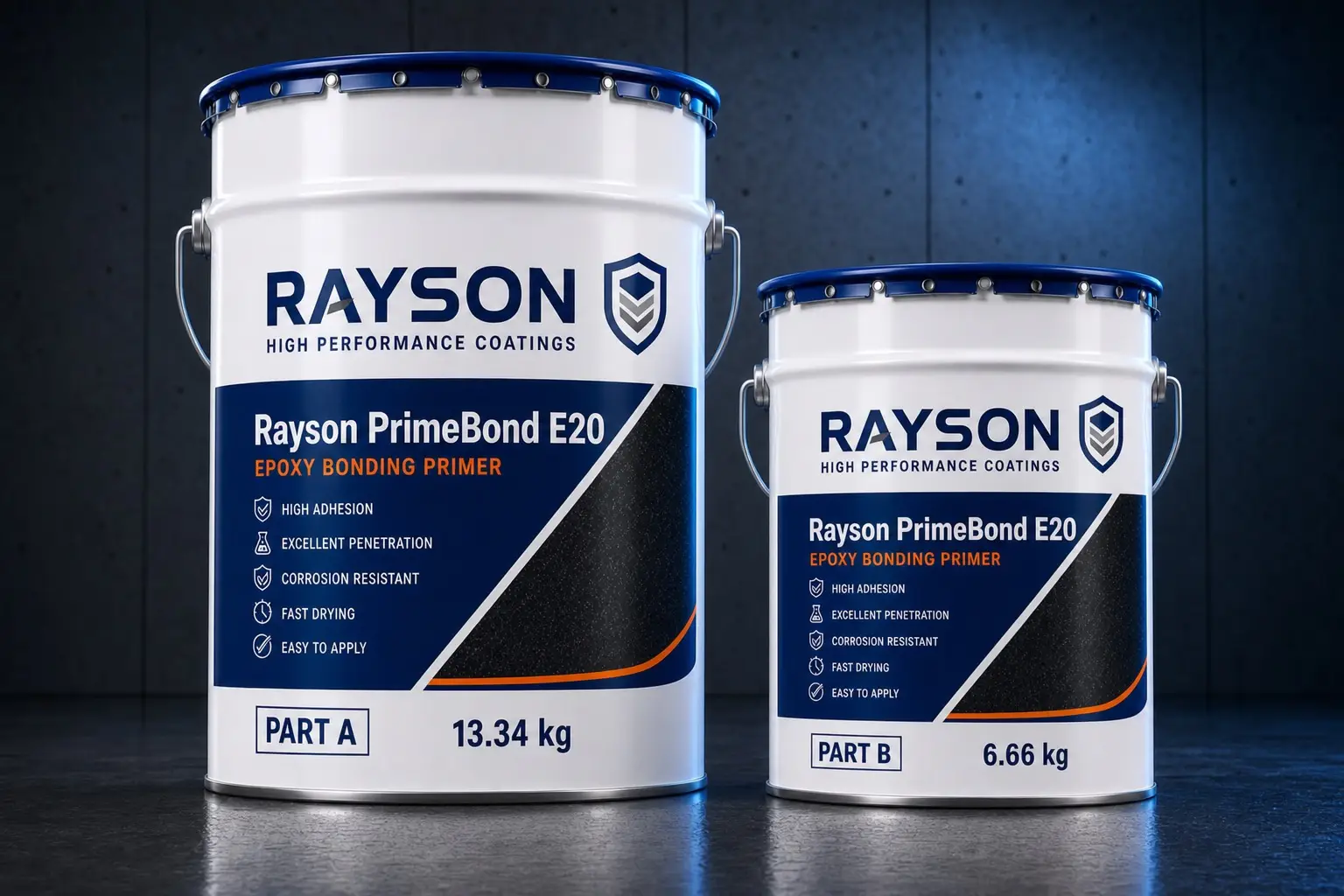
Preparation and priming — the foundation. Mechanical preparation to remove laitance and open the surface, then a primer matched to the substrate, is what gives the coating a bond stronger than any warm tyre. On the damp-prone decks common in Singapore, PrimeBond E20 handles dry or damp concrete. This step is the single biggest defence against pickup — see the surface preparation guide.
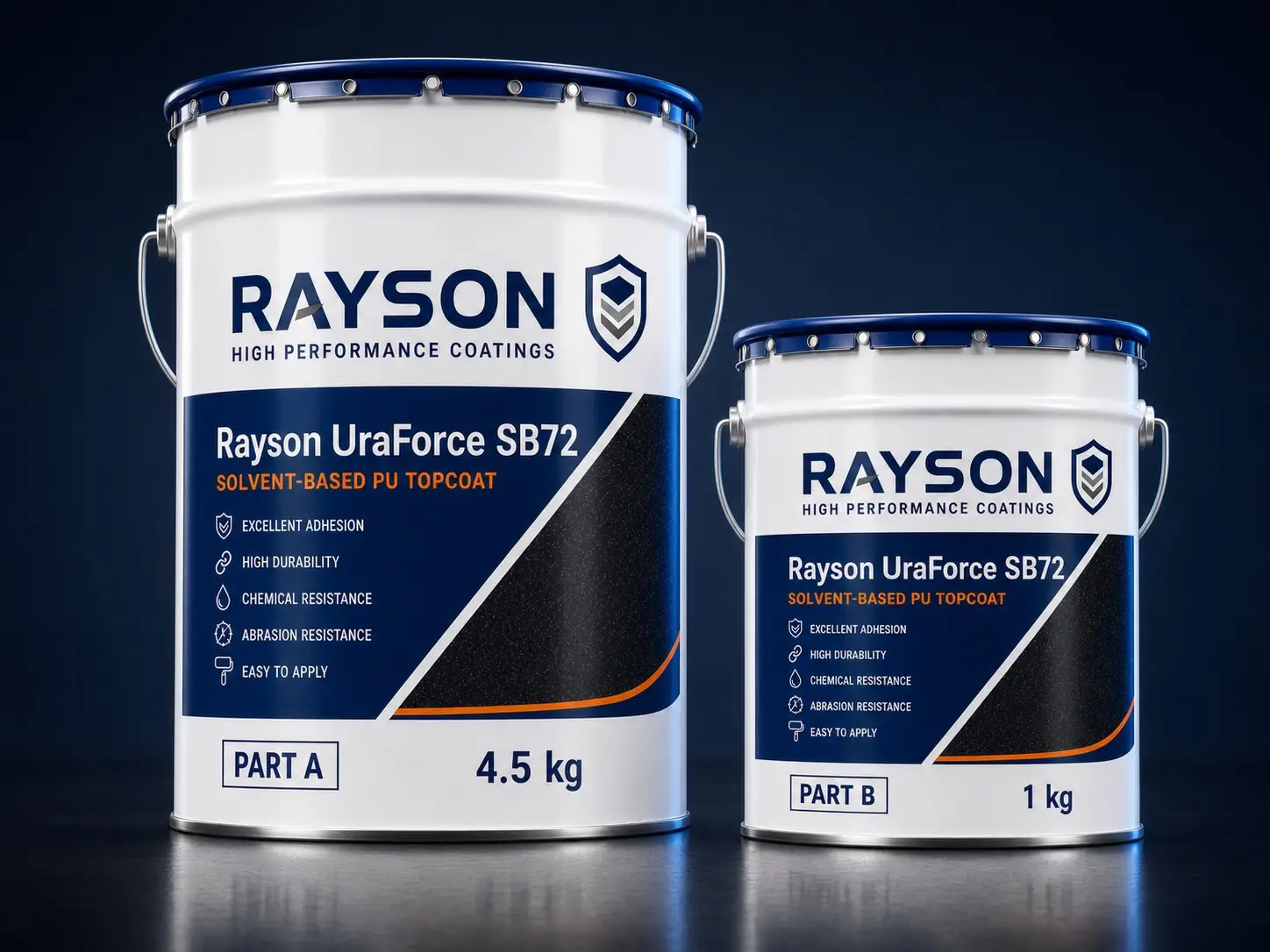
A system built for vehicles. Car park decks want a tough, well-adhered build-up with a durable finish. On exposed top decks, a UV-stable polyurethane finish such as UraForce SB72 resists both the traffic and the sun that would chalk a standard epoxy.
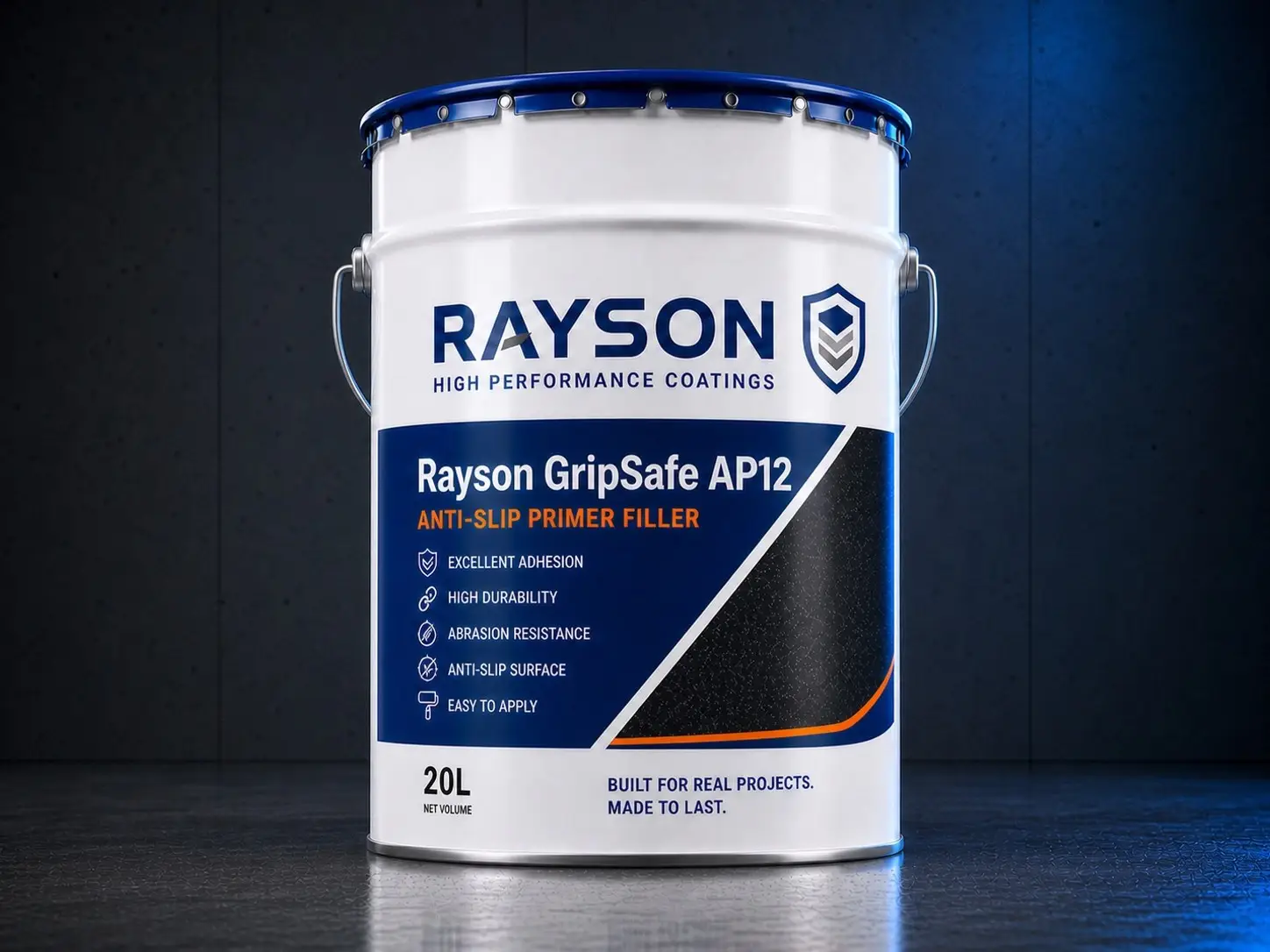
Anti-slip where it turns and climbs. Ramps are also the wet-braking slip risk in a car park. Building anti-slip texture into the ramp and turning-bay system — for example with GripSafe AP12 — deals with safety and gives the coat mechanical key in the highest-shear zone.
Cure before traffic. The cheapest cause of pickup to avoid is impatience. A coating returned to traffic before it has cured enough is asking to be lifted. Respect the cure schedule for the product and temperature, and protect ramps longest.
If your deck is already lifting
Diagnose before you repair. If the cause was adhesion, the failed areas must be taken back to sound, properly prepared substrate and rebuilt — recoating over the same weak bond simply fails again, fastest on the ramps. A localised, correctly prepared reinstatement on the flat bays combined with a robust ramp system is usually the sensible programme. Our broader diagnosis approach is in epoxy floor peeling and delamination.
For a car park deck that is picking up — or a new deck you want to specify so it never does — send photos of the ramps and bays to our technical team and we will help you get the bond, the system and the cure right where it matters most.