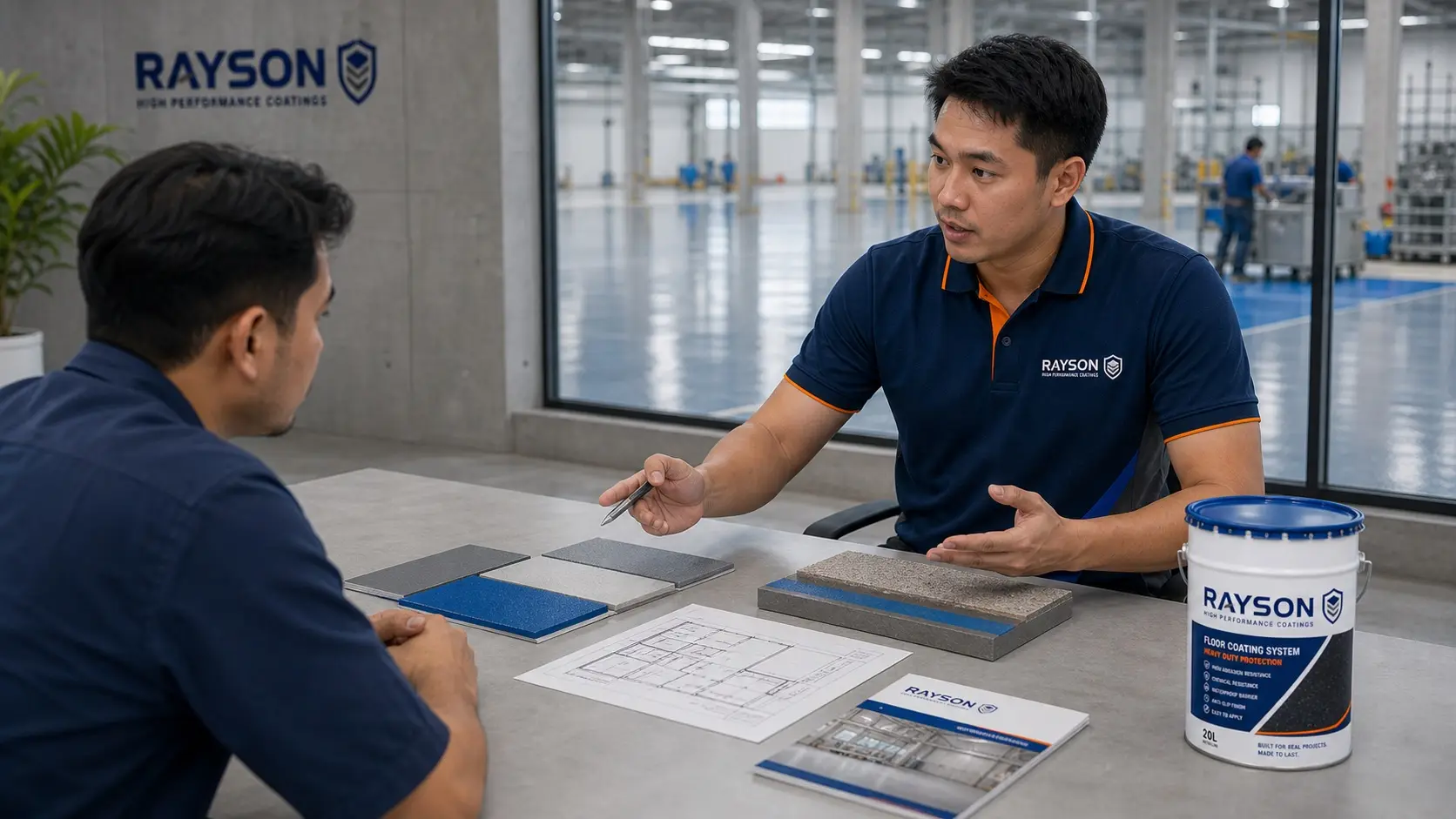
“How much is floor coating per square metre?” is the most common question we are asked, and the honest answer frustrates people: it depends, and it depends by a lot. The same floor area can cost several times more depending on the system and the state of the concrete. Rather than quote a misleading headline rate, here is what actually moves the number — so you can budget realistically and, just as importantly, compare quotes fairly.
1. The system type — the biggest lever
What you are putting down sets the base cost, and the range is wide:
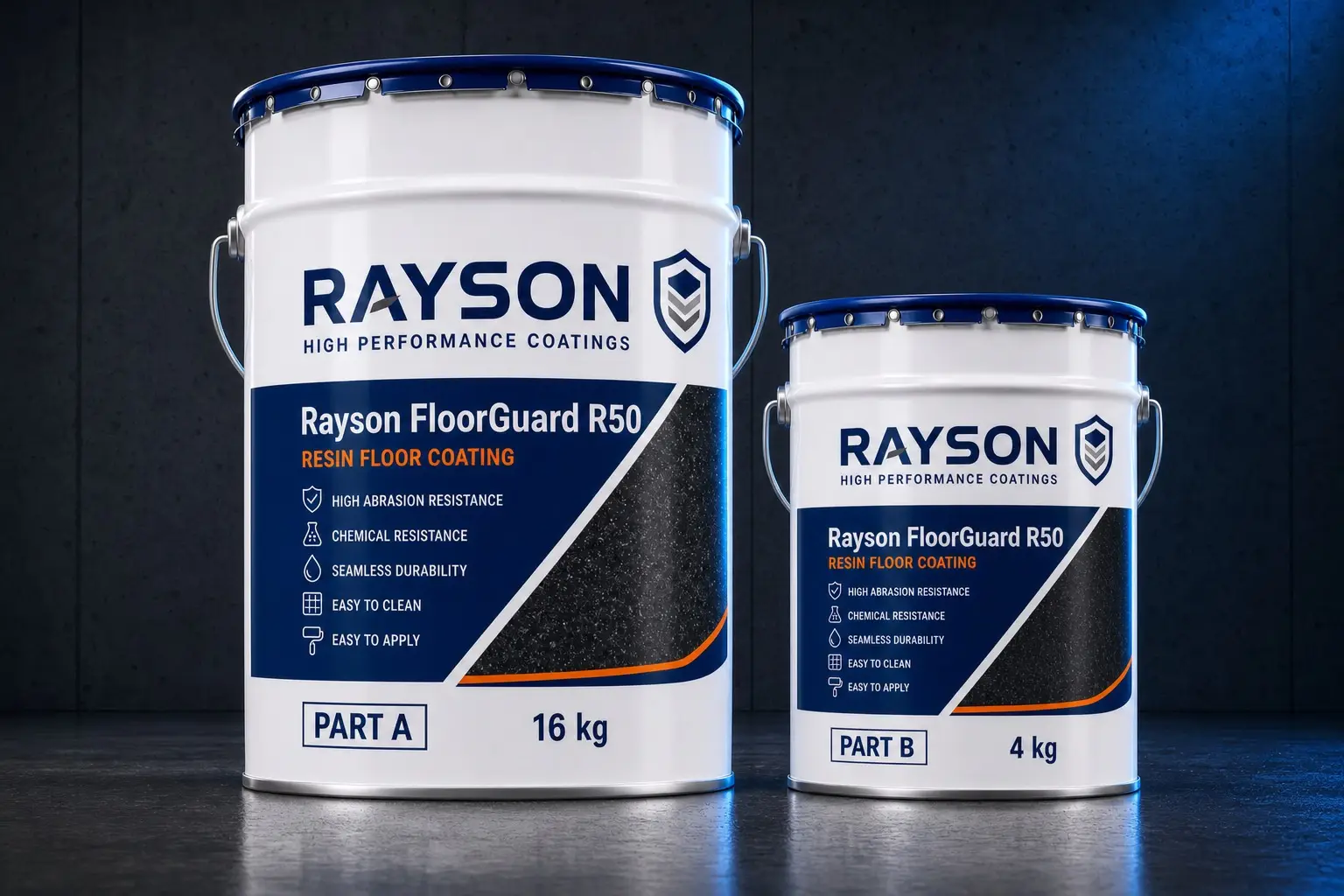
- Roller-applied epoxy (FloorGuard R50) is the economical end — a thin film in a couple of coats, right for light traffic, dust-proofing and refurbishment.
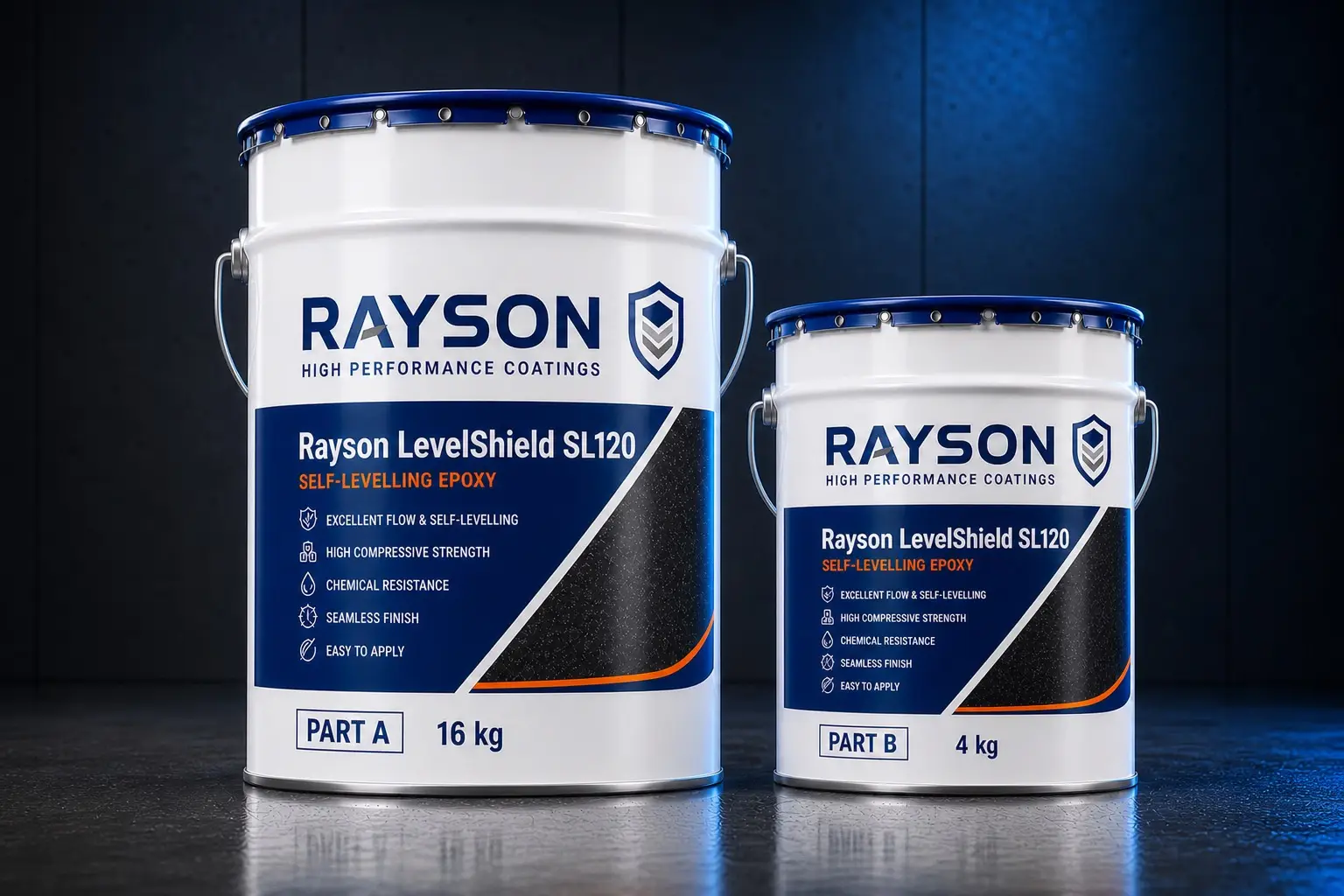
- Self-levelling epoxy (LevelShield SL120) costs more — more material, a thicker seamless build for forklift traffic and production floors.
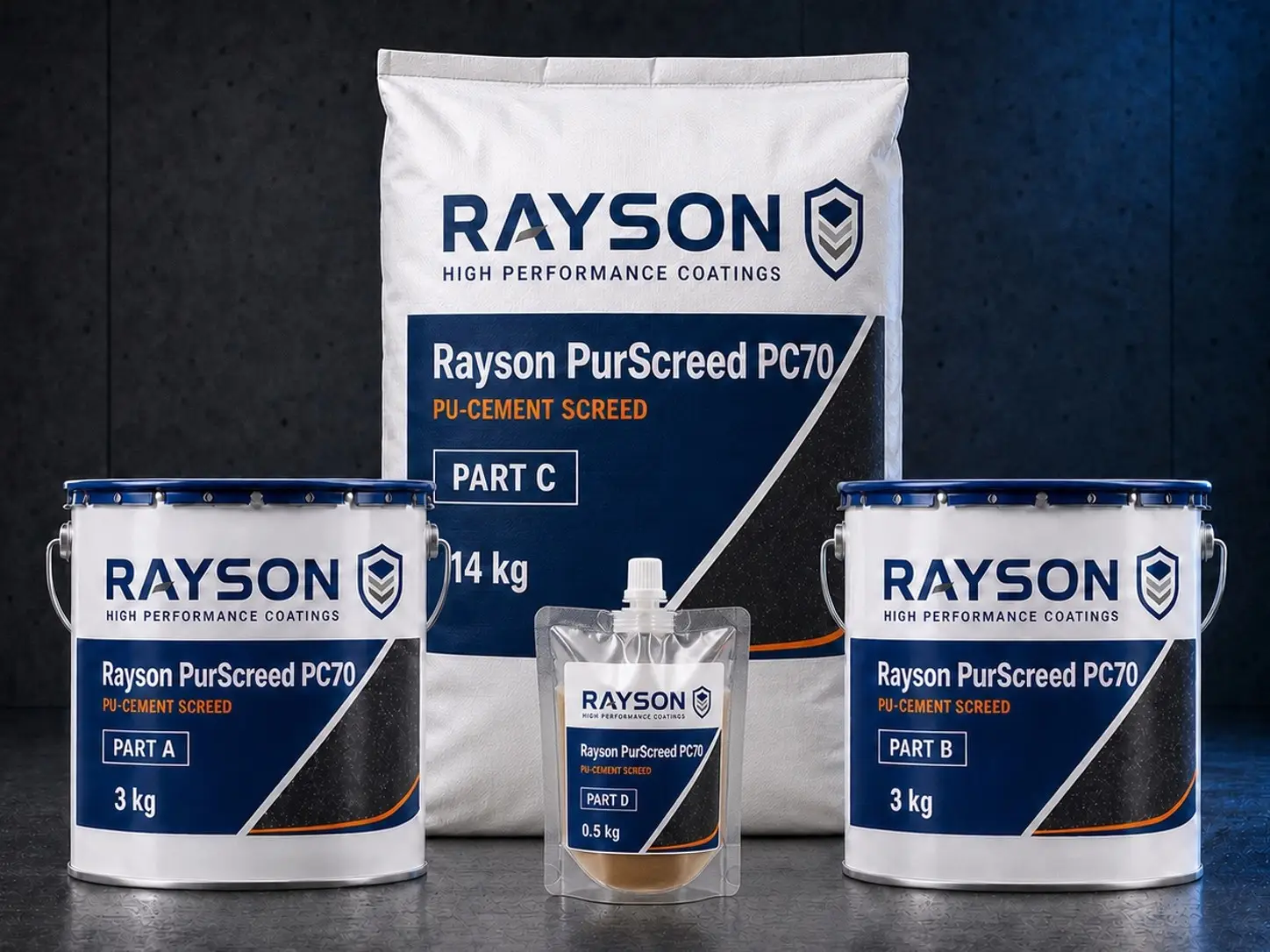
- PU-cement screed (PurScreed PC70) is the premium end — thick, trowel-applied, engineered for hot wash-down and chemical attack in food and chemical plants.
Choosing the system is really choosing the duty. The system selection guide helps match it; over-specifying is as wasteful as under-specifying is risky.
2. The condition of the existing floor
New, sound concrete is the cheap case: prepare, prime, coat. Everything wrong with the existing floor adds cost:
- Oil and contamination need degreasing or, if soaked in, cutting out.
- Cracks, spalls and damaged joints need repair with a mortar such as MortarBond EM90 before coating.
- A failing existing coating may need full removal — often the single biggest hidden cost in a refurbishment.
- Moisture may require a mitigation approach rather than a standard primer.
A quote on a floor nobody has surveyed is a guess. The condition assessment is what turns a guess into a real number.
3. Preparation scope
Mechanical preparation — grinding or shot blasting — is a real line item, and it is the one quotes most often trim to look sharp. This is exactly backwards: preparation is what determines whether the coating lasts, so a suspiciously thin preparation scope is a red flag, not a saving. When you compare two quotes, compare their preparation before their price.
4. Area and access
- Area brings economies of scale — mobilisation and setup are spread over more square metres, so larger floors usually cost less per m².
- Access windows cut the other way. A floor that must be done overnight, or area-by-area around a running operation, takes longer and costs more than an empty building handed over for a clear run. Singapore’s overnight retail and 24/7 manufacturing windows are a genuine cost factor.
5. Finish requirements
Anti-slip texture, line marking, coving to walls, colour changes between bays, and UV-stable top coats for exposed areas all add scope. None are expensive individually, but they are real, and a quote that omits a requirement you actually need is not the bargain it appears to be.
How to compare quotes fairly
Two quotes are rarely quoting the same floor. Before you compare bottom lines, line up:
- The system — is it the same build-up, or is one a thin coat and the other a self-levelling system?
- The preparation — mechanical prep specified, or just a clean and prime?
- The repairs — is crack and joint repair included or excluded?
- The extras — anti-slip, coving, line marking, top coat.
- The programme — a clear building or phased overnight work?
Match those five and the numbers become comparable. Skip them and you may pick the “cheapest” quote only to pay for the missing preparation later, with interest, when the floor fails.
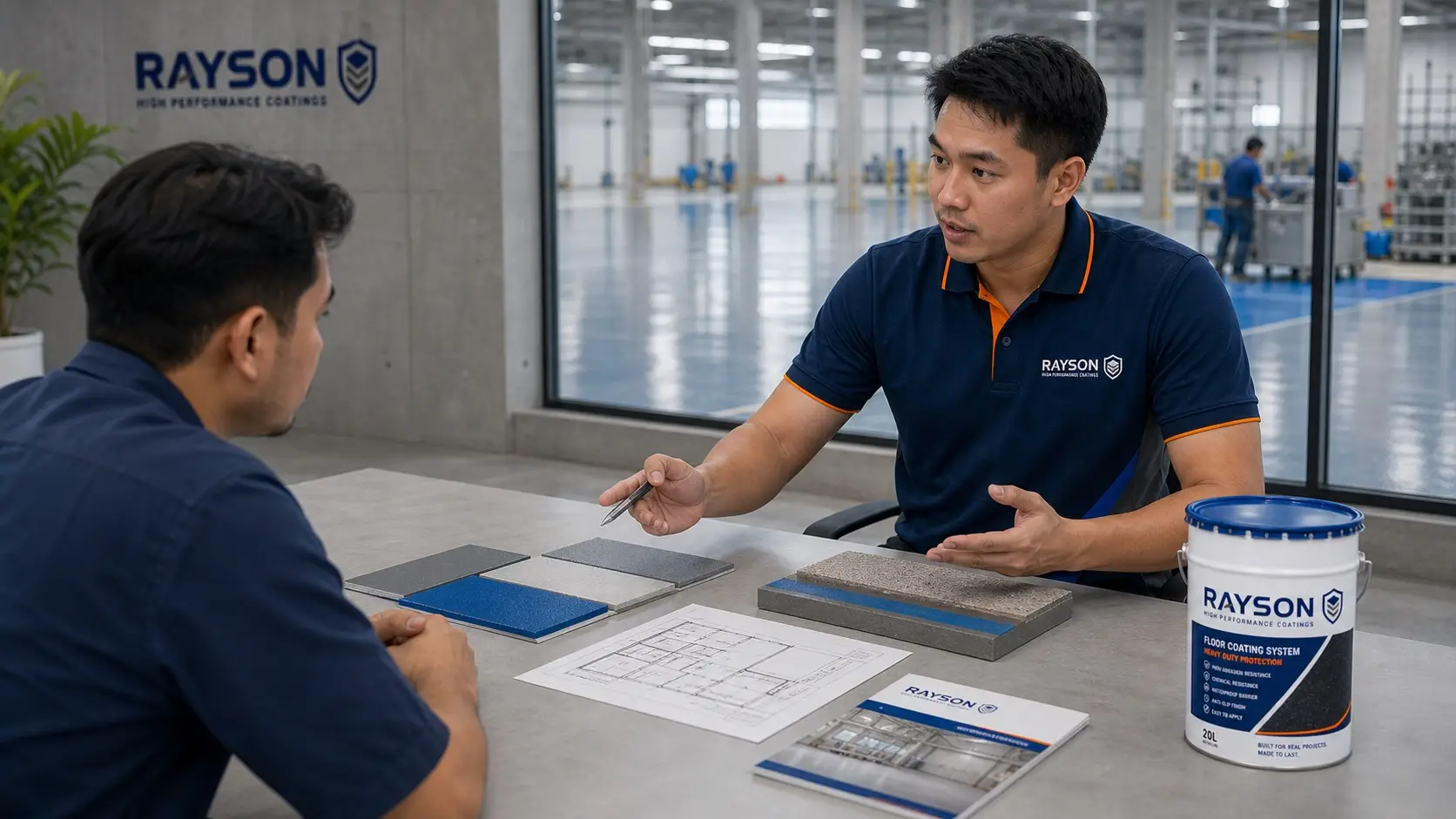
Getting a real number
We do not publish per-m² pricing because doing so honestly is impossible — it would mislead more than it helps. What we can do quickly is scope your actual project. Send us the surface type, approximate area, the condition of the existing floor (photos help), the exposures it faces, and your access window, and we will specify a suitable Rayson system and price it against reality. Start a quote request or send photos via WhatsApp; you will get a straight answer, including when a lighter (cheaper) system is genuinely all you need.